The artist who uses transparent glass as a support for his painting creates two paintings simultaneously.
Frieder Ryser
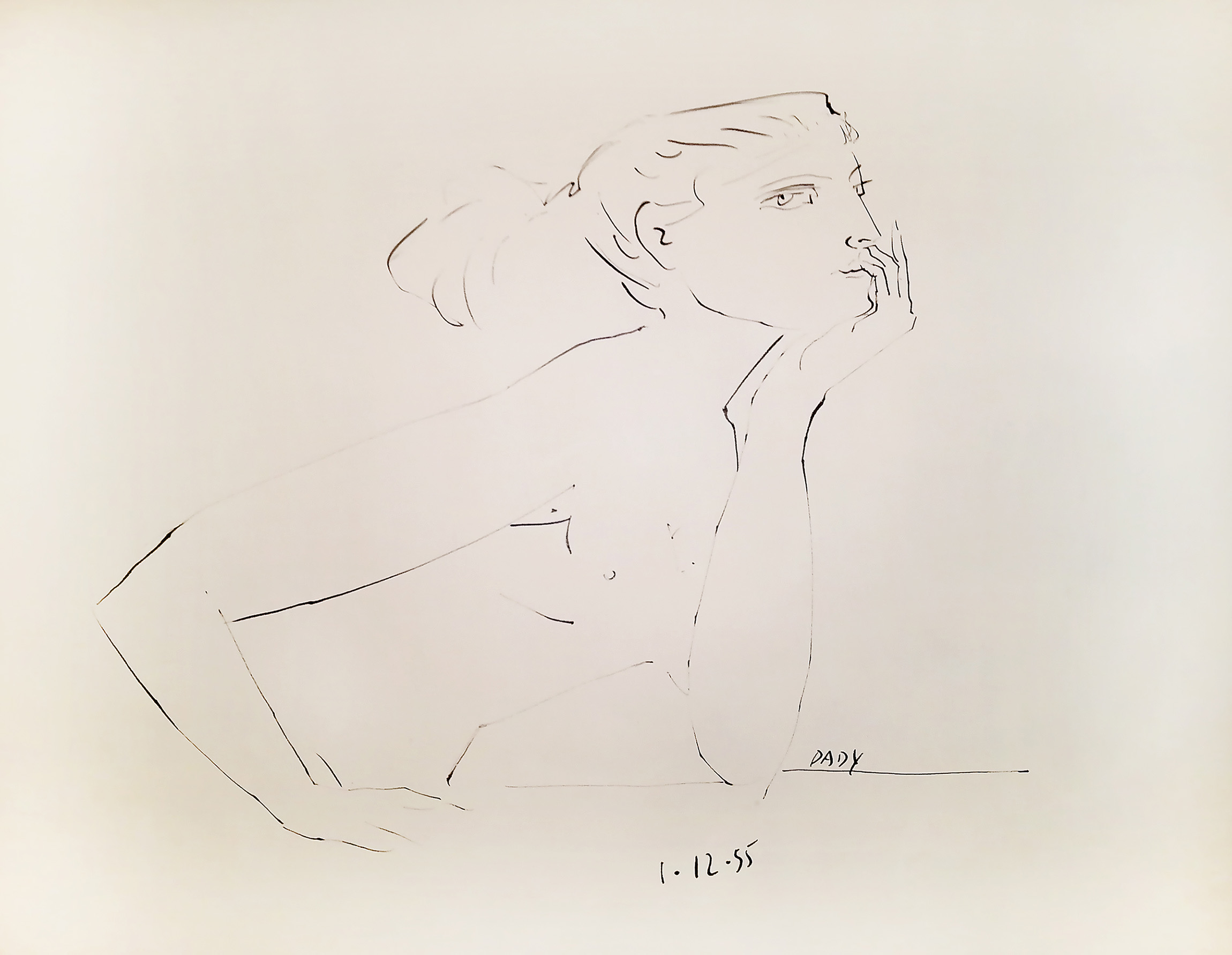
In the 20th century, the technique of reverse glass painting was used by masters such as Kandinsky, Klee and Duchamp. Among Italian artists of the second half of the 20th century, only Dady Orsi produced reverse glass paintings in such a significant quantity. Orsi sees under glass painting technique as a meditative exercise (or ritual) to be performed in the early morning light. With this meditative dimension in mind, most of these paintings depict symbolic subjects and/or esoteric allegories such as musical instruments (a Baroque allegory of music reduced to silence), rays of light, keys and clocks. Another subject represented is the nude juxtaposed with the fragility of glass, which can be interpreted as a reference to Vanitas, to the fragility of human life. Among the artist’s favourite themes are still-lifes of domestic objects, human figures, faces distorted by anamorphosis and, above all, Rooms which, from the late 1960s onwards, the artist represents as ‘mental spaces’ filled with fascinating stories, childhood memories and suggestions of the senses. Not simple domestic interiors, then, but real Wunderkammer. Although they have a crystal-clear appearance that reflects the lucidity that the execution requires, the paintings under glass are not made to be looked at transparently like stained glass. Rather, the function of the glass is to give the colours a glazed, mirror-like sheen. The technique requires control and firmness. The image to be painted must be so clear in the mind that it can be painted backwards, in an arduous technical tour de force. The term reverse glass painting aptly describes the special nature of the process, which involves painting the underside of the glass pane, starting with the details and what should appear on the surface and then applying half-tone and underpainting. Orsi is such an expert that he is also able to reproduce the late antique technique of gold leaf underglass. Once the painting is finished, the sprayed-on background (almost always black) gives it a dark tone, creating a conceptual contrast between the brilliance of the glass and the dark esotericism of the symbols.