When I know your soul I will paint your eyes.
Amedeo Modigliani
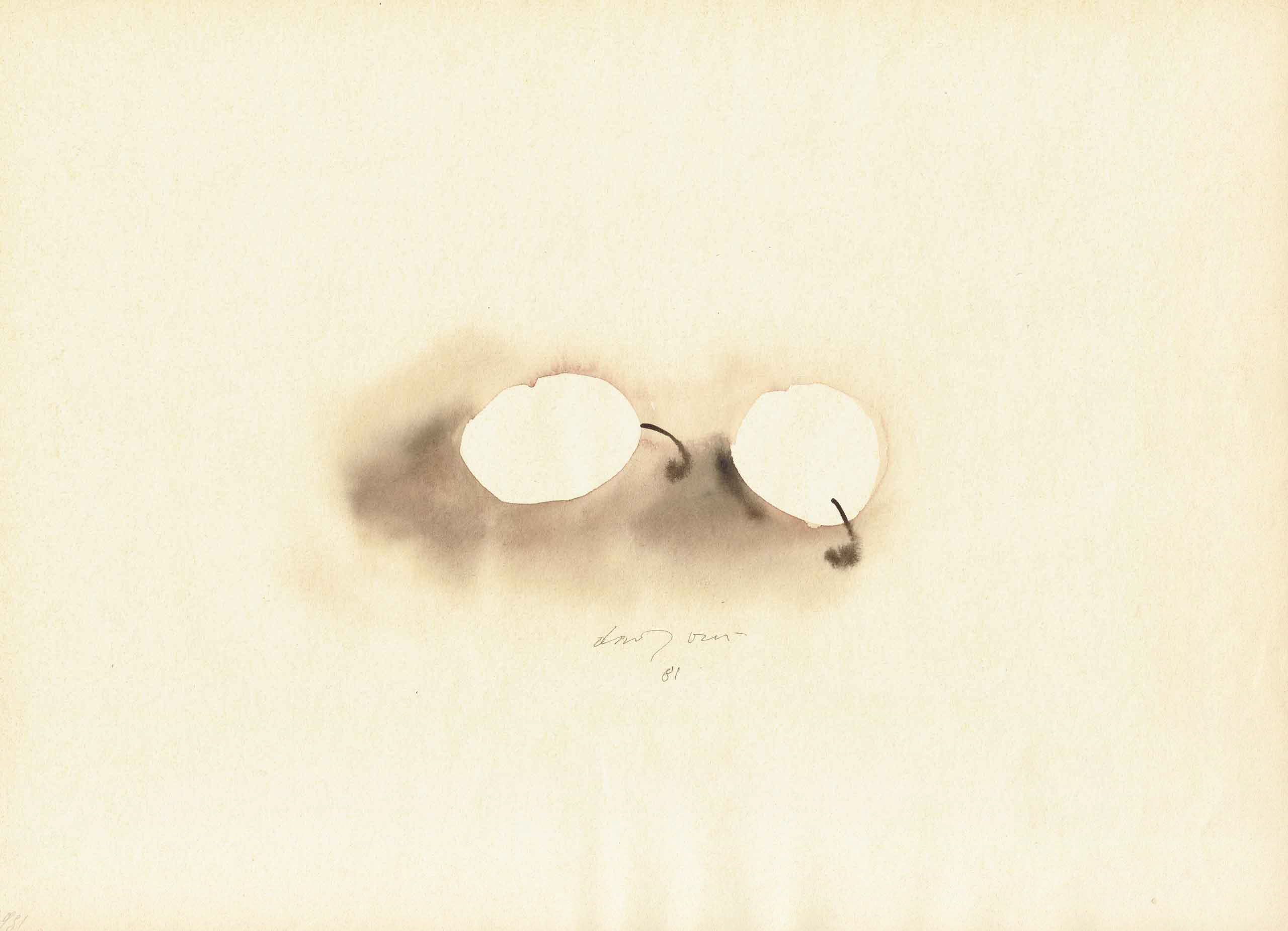
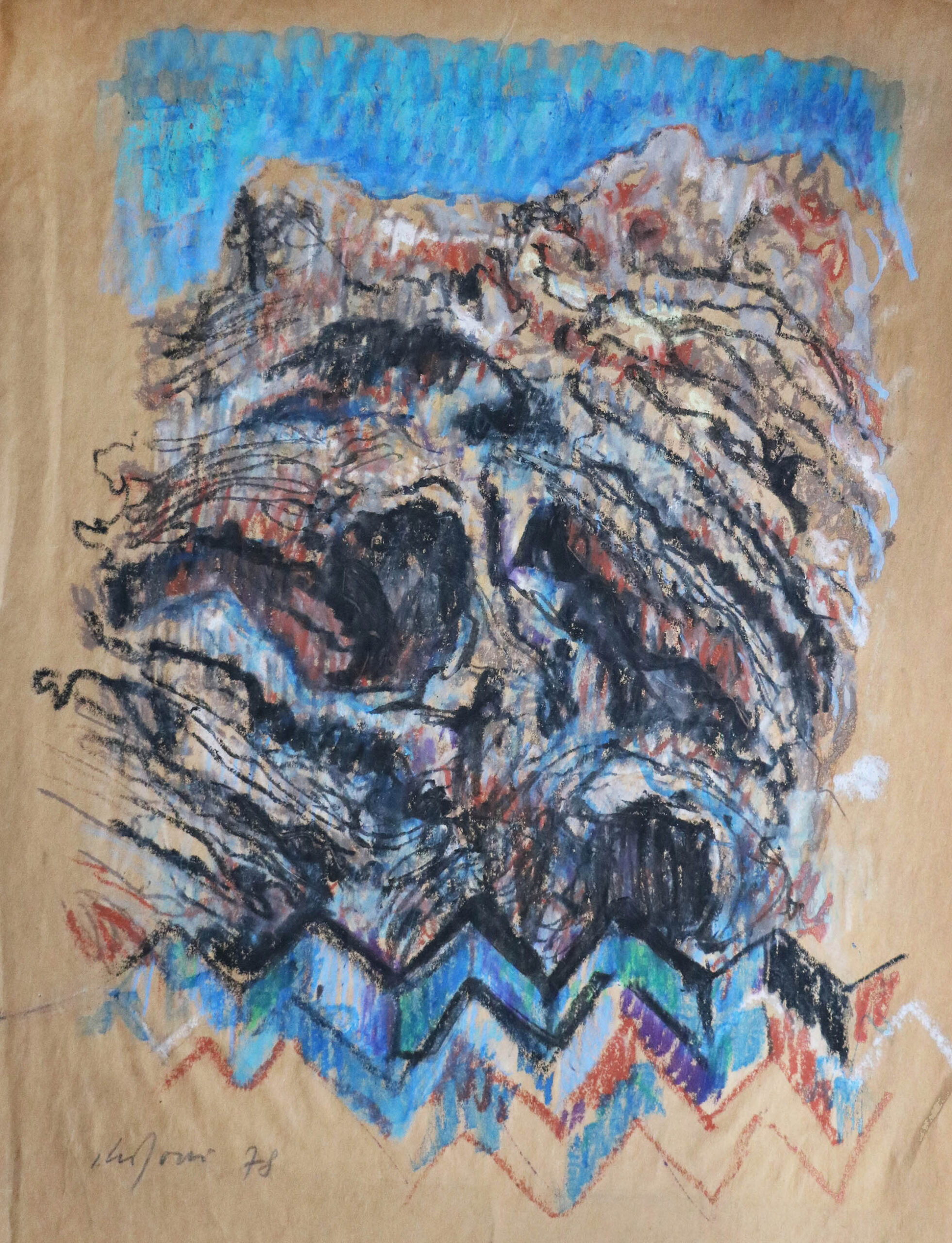
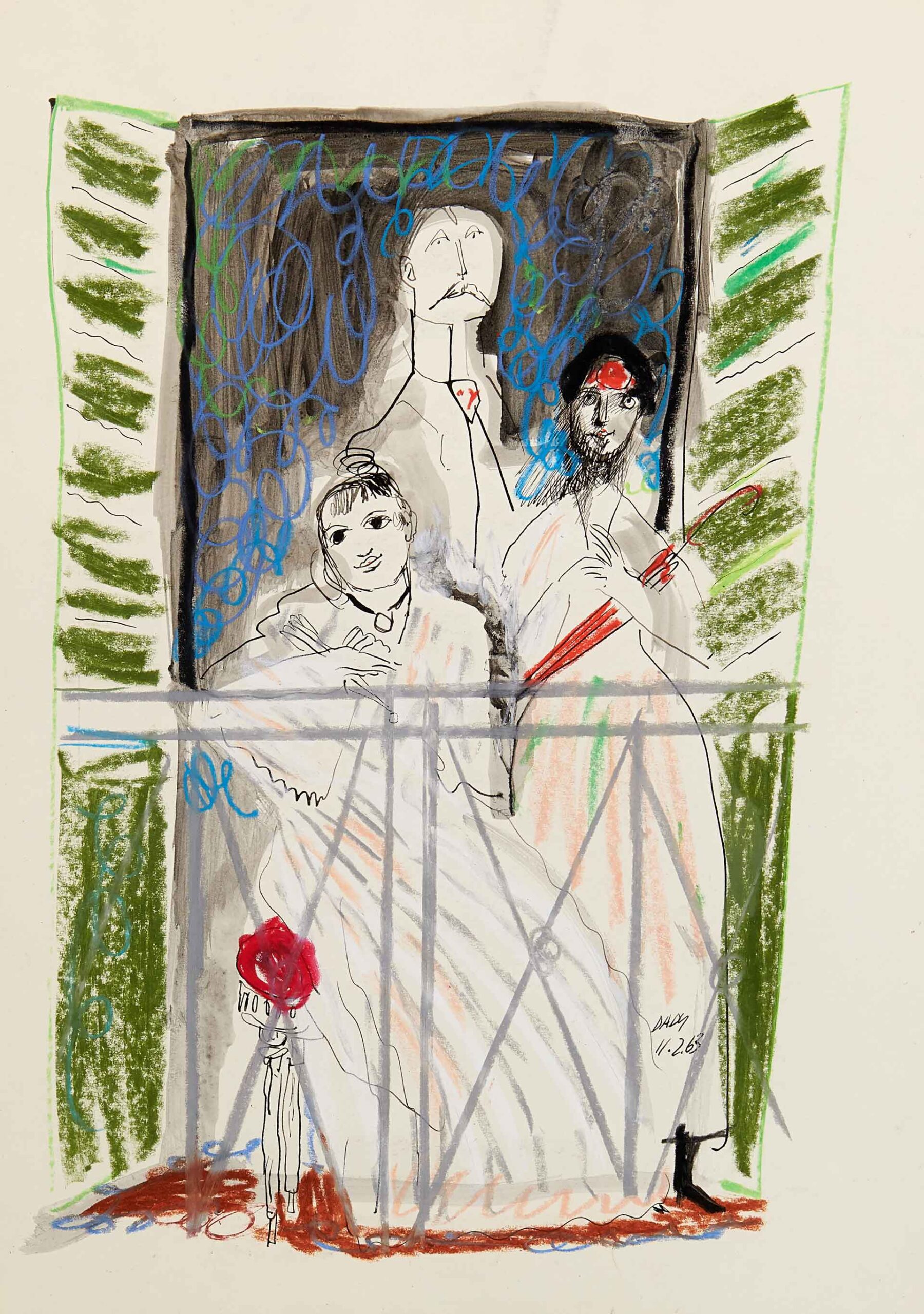
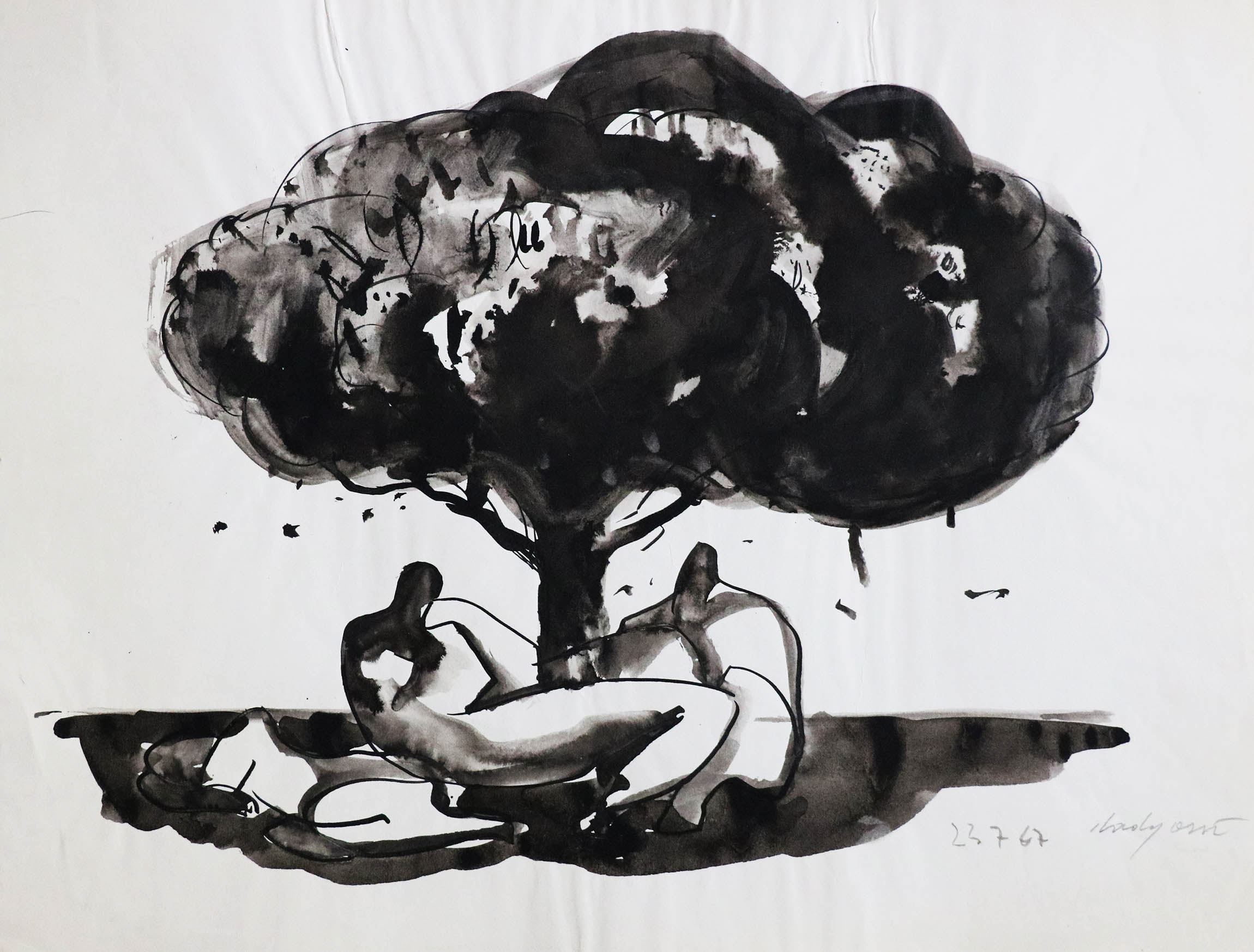
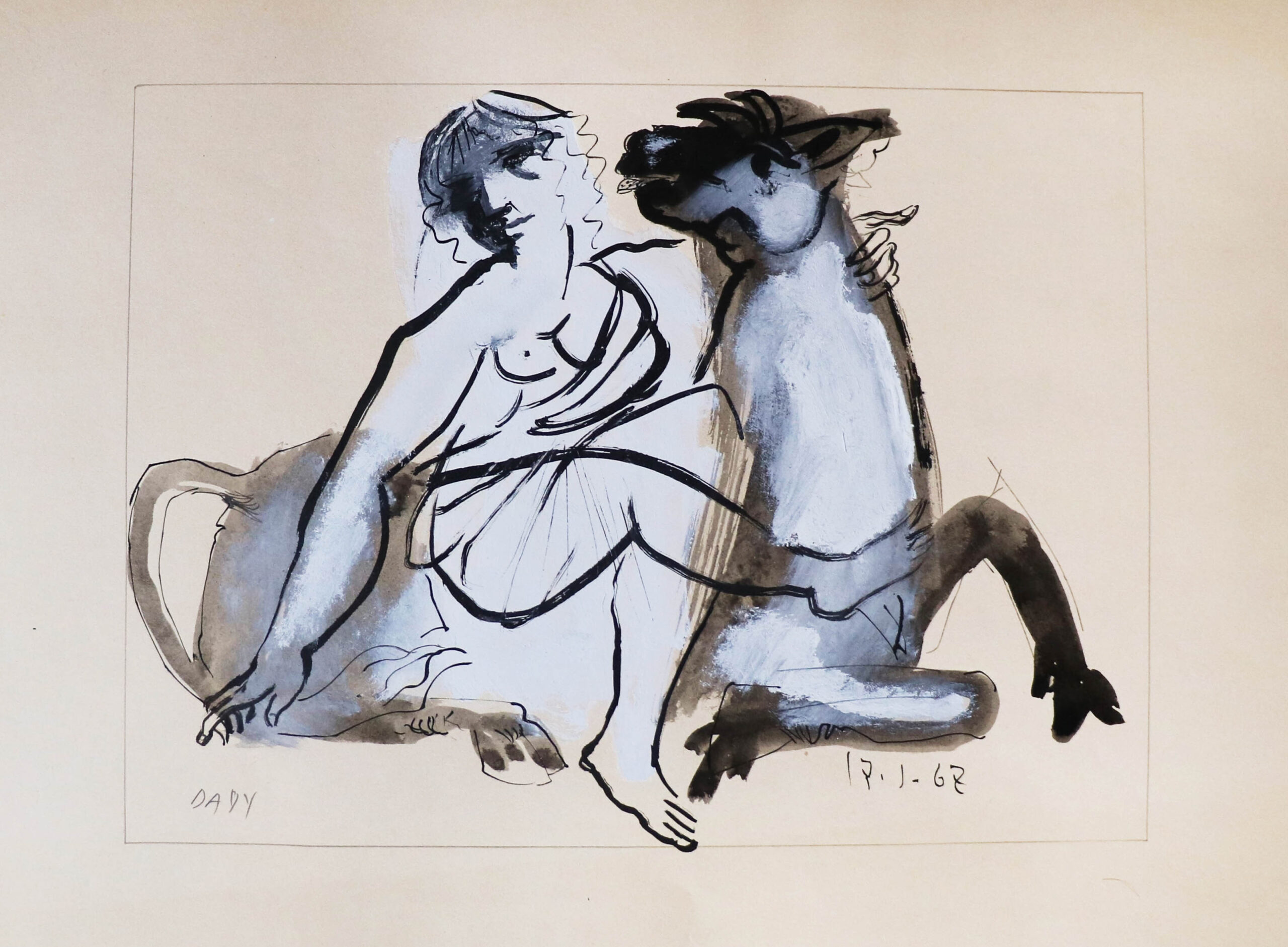
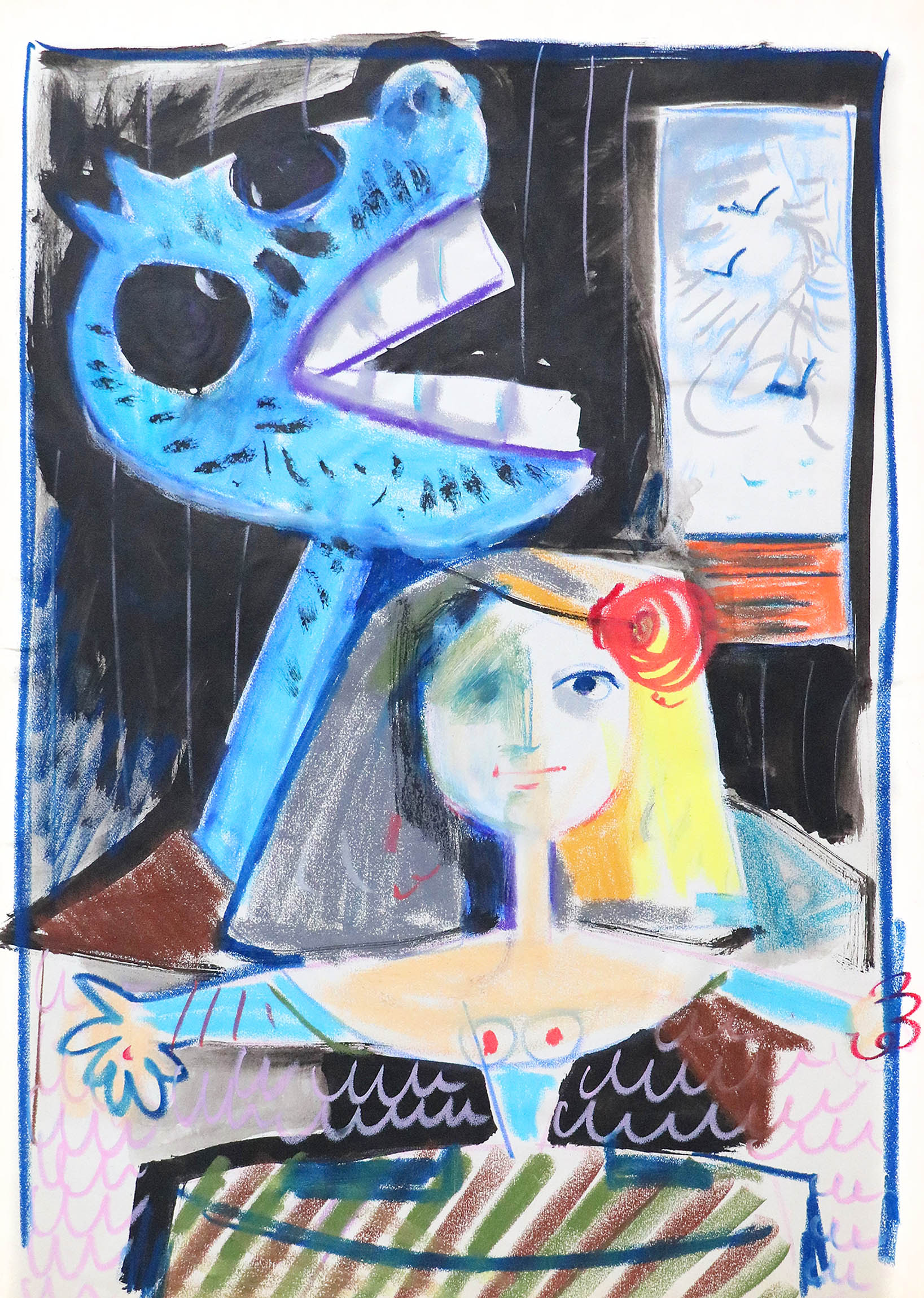
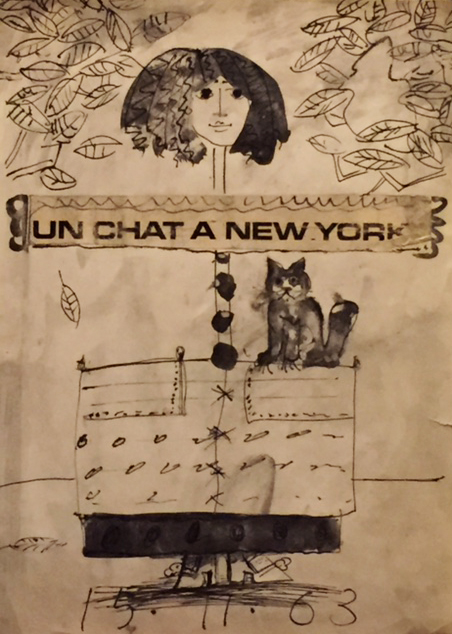
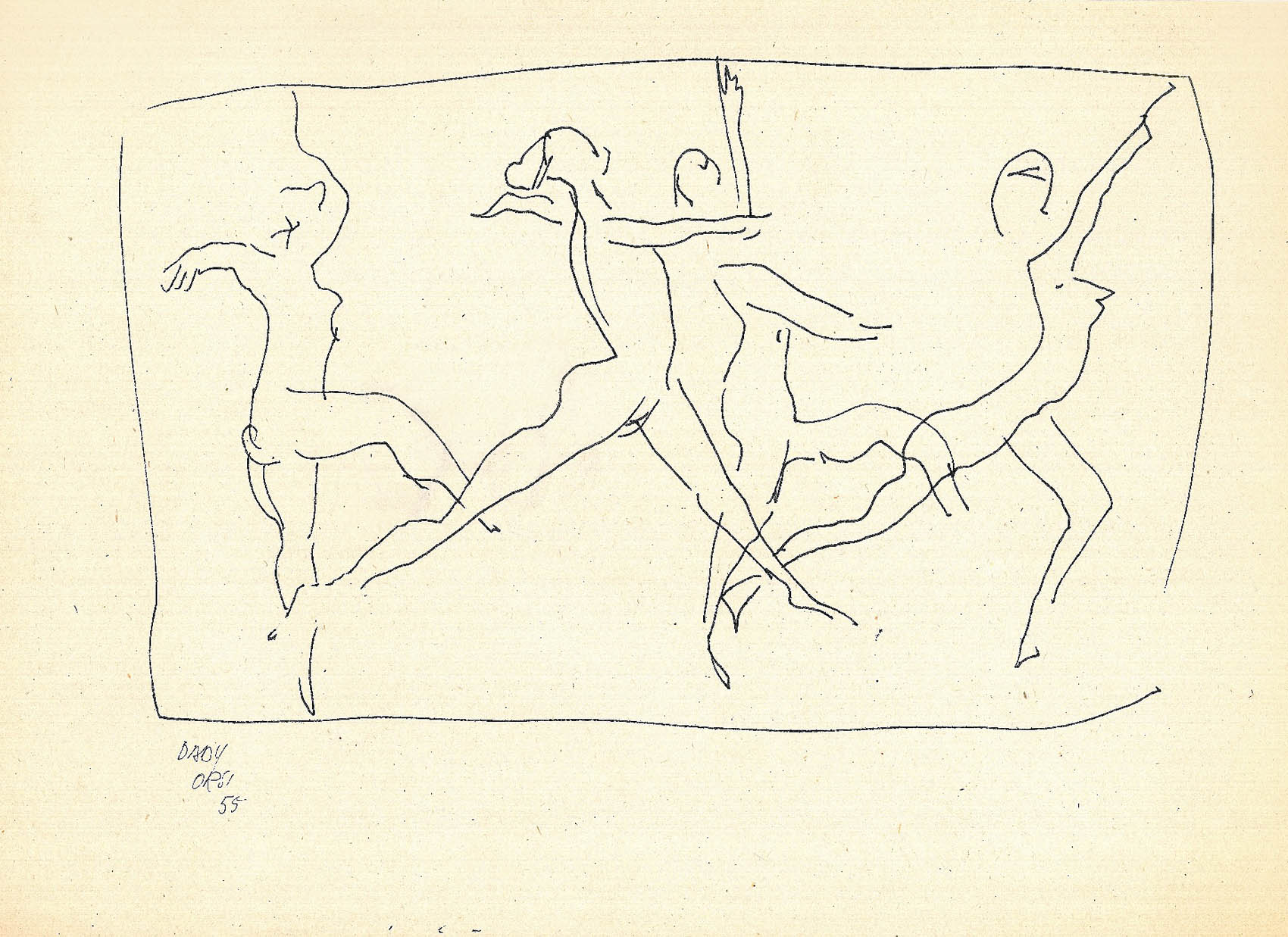
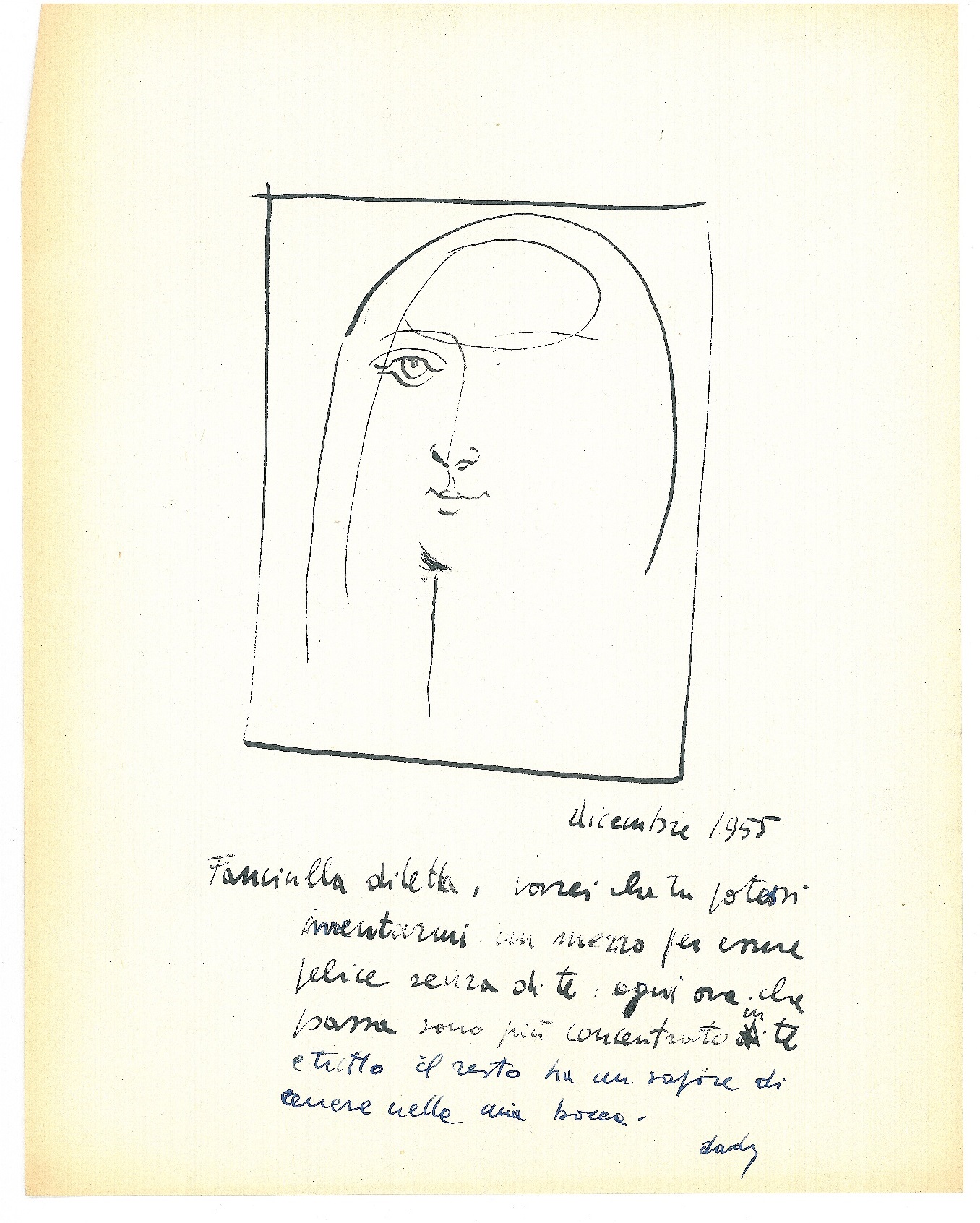
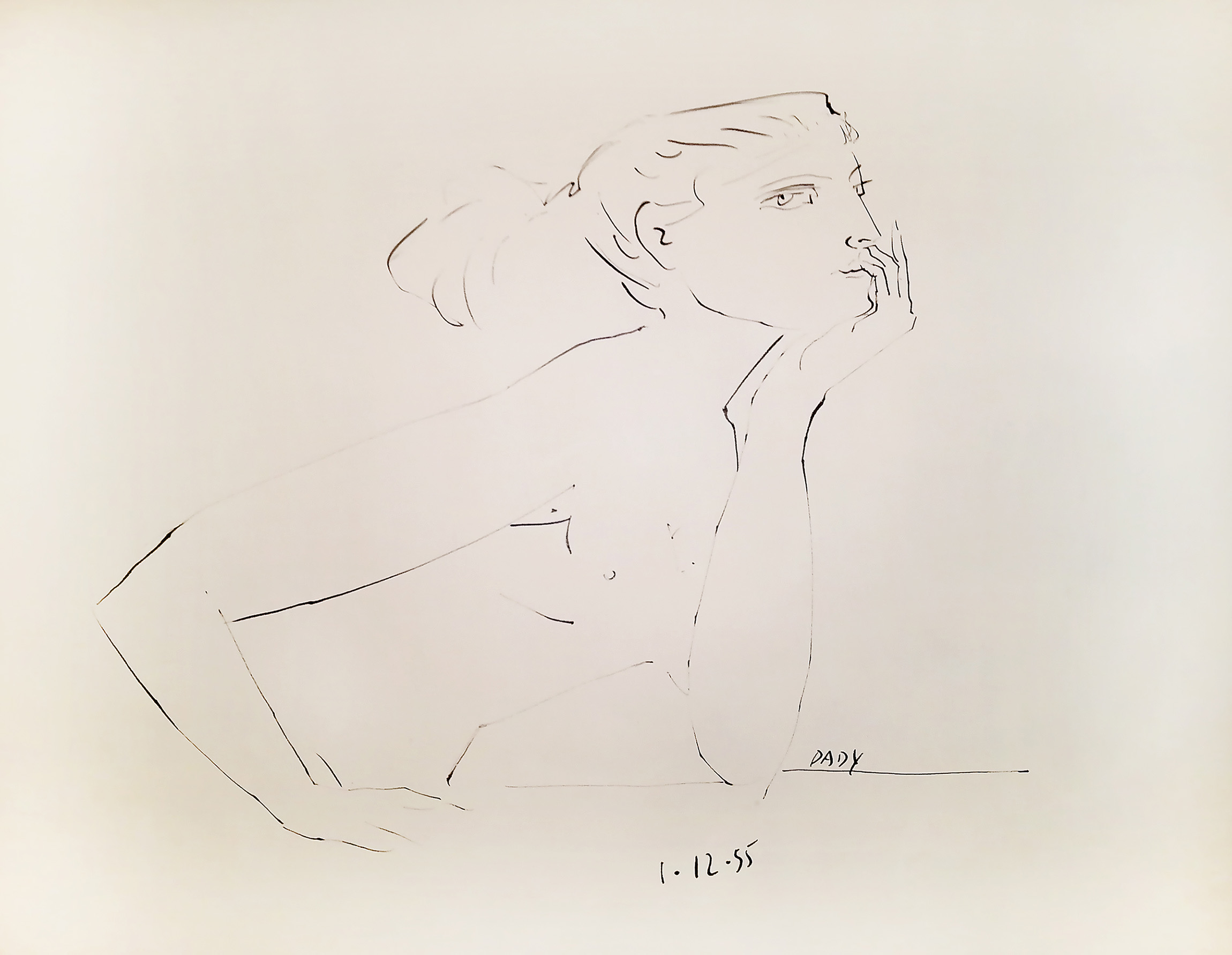
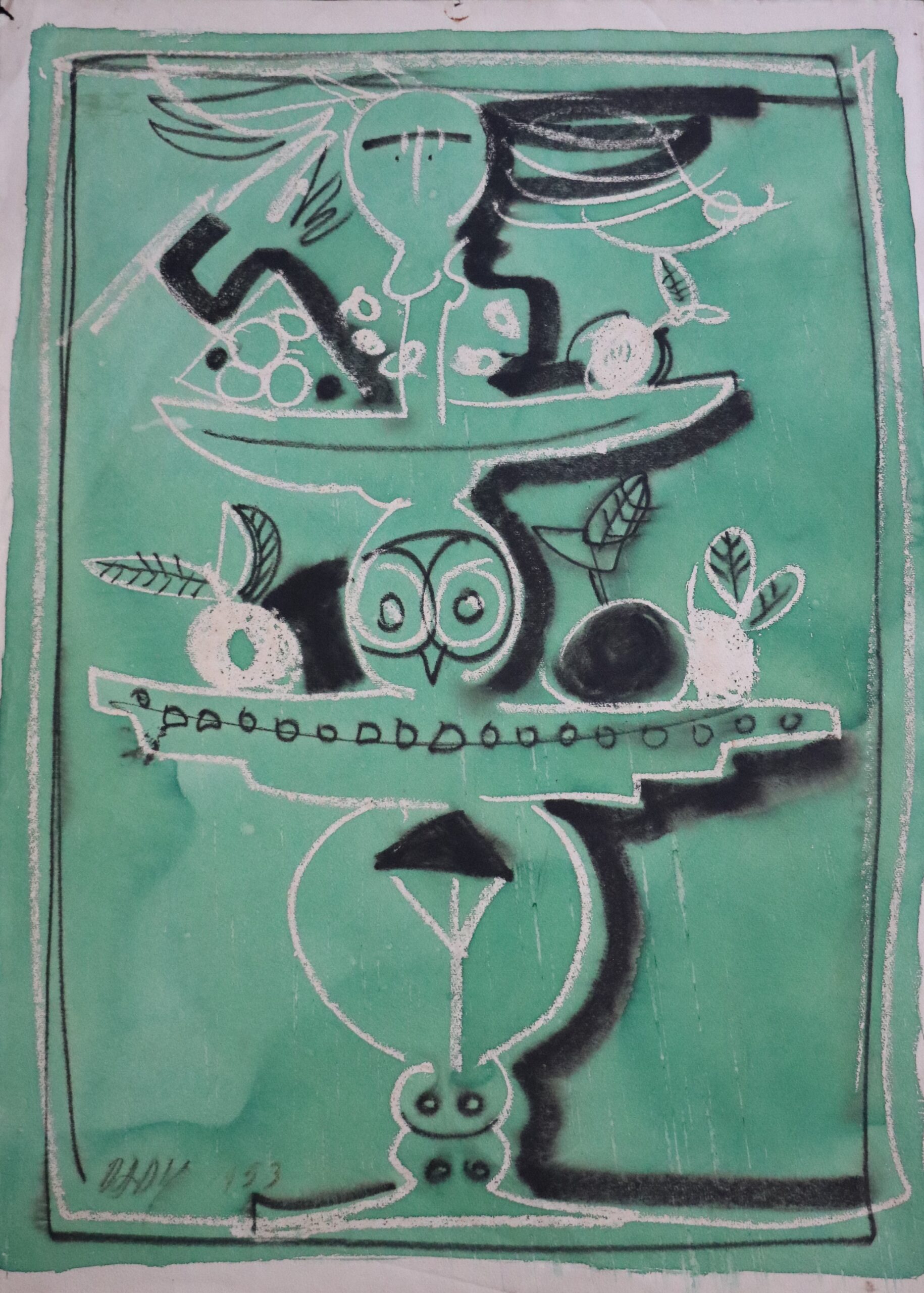
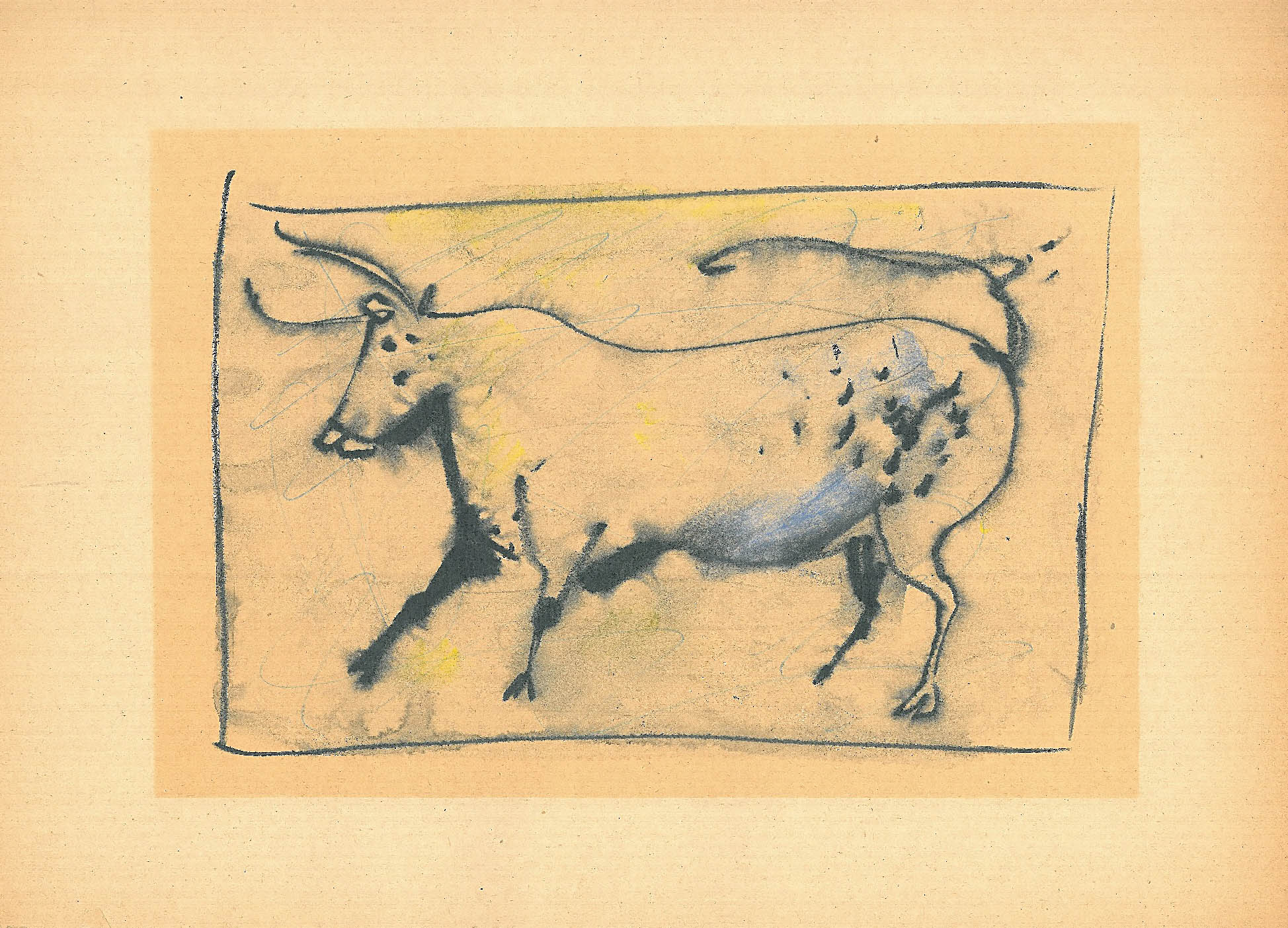
The human figure is predominant in Dady Orsi’s production. The subjects she portrays are mainly family members and close friends depicted in the decorum of their everyday humanity. The search for a dimension devoid of any heroism or monumentality is reflected in the choice of small format. In keeping with the historical period, in the 1940s he used a palette with often harsh and bitter tones, which likened him not only to the artists of Corrente, but also to Picasso, whose influence emerged strongly. As his gaze on the human being becomes more subtle, the palette shifts towards a colder range of colours: the sweetness remains, but the figures are more algid, as if to evoke the sober elegance of the cultured bourgeoisie of the time. The expression of the subjects he depicts is always marked by a balance that recalls Modigliani’s phrase: “happiness is an angel with a serious face”. The 1960s saw a move towards the more synthetic results of 20th-century art. More and more often, his subjects took on symbolic or mythical features, whose form moved away from the human anatomy. The material of the painting also became more rarefied. In the impressive series inspired by Velazquez’s painting Las Meninas, references to Picasso and Giacometti are grafted onto the prototype. From the 1970s onwards there was a sort of return to order, anatomy, and realism, expressed for example in the copious production of erotic paintings, much loved by gallery owners Beppe Mainieri, Piero Fornasetti and Jean Blanchaert and by poet Raffaele Carrieri. Among the many female figures painted in the 1980s, the portrait of his wife Megy Bassi (1989) stands out, where a particular light, rendered using yellow highlights, and the use of Klimt’s decorative modes celebrate his woman with a loving gaze.