The simpler the lines and forms, […]. the more they have beauty and strength.
J.A.D. Ingres
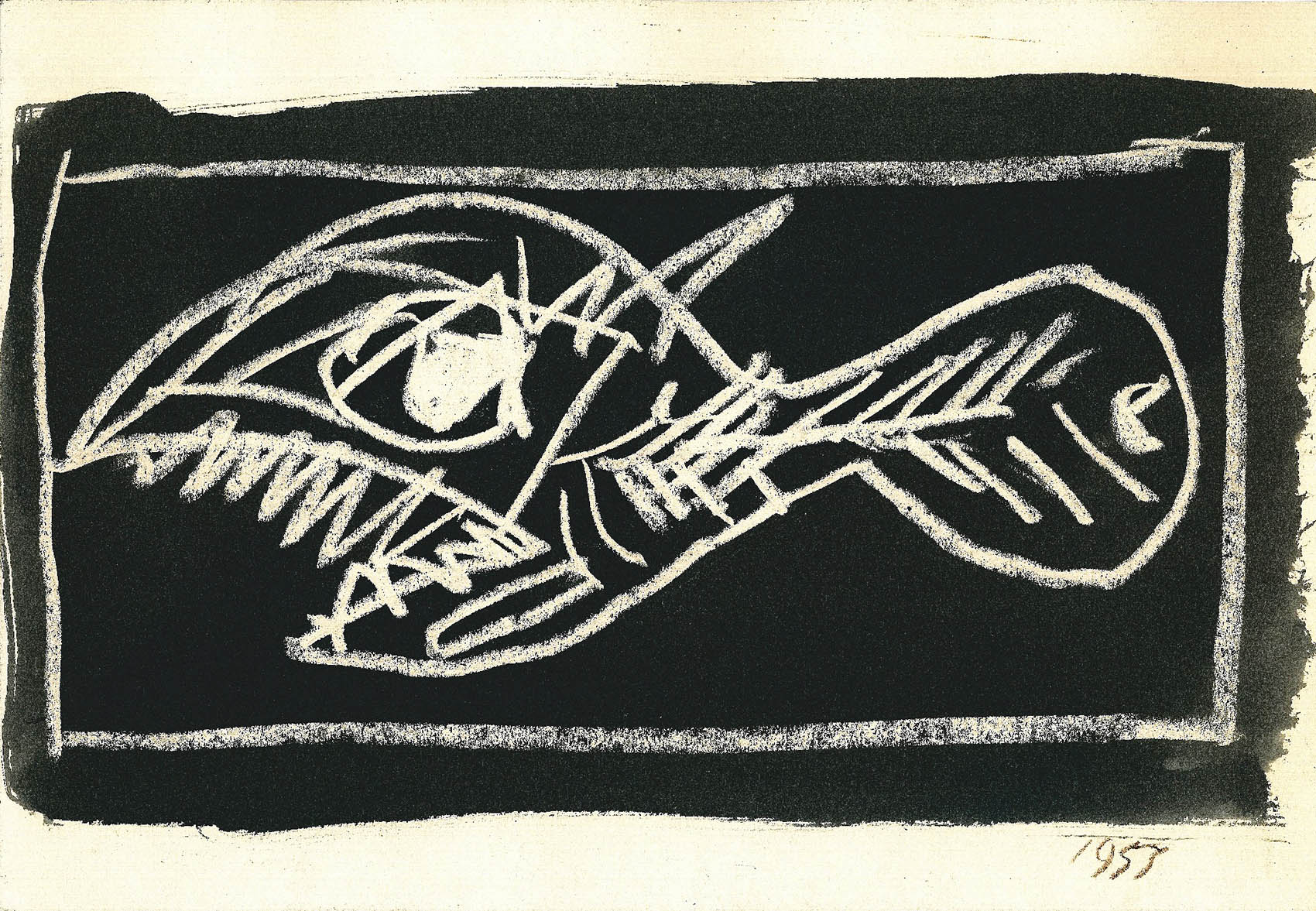
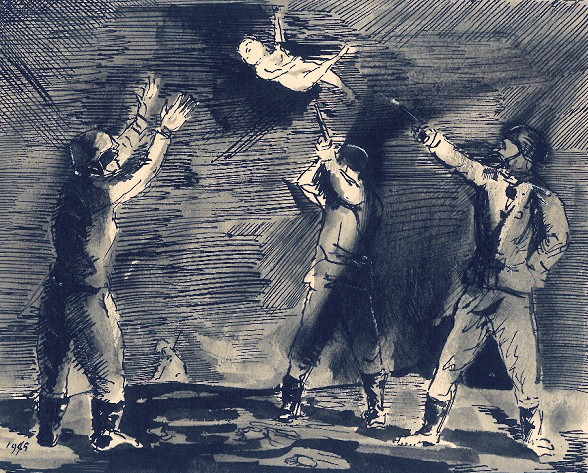
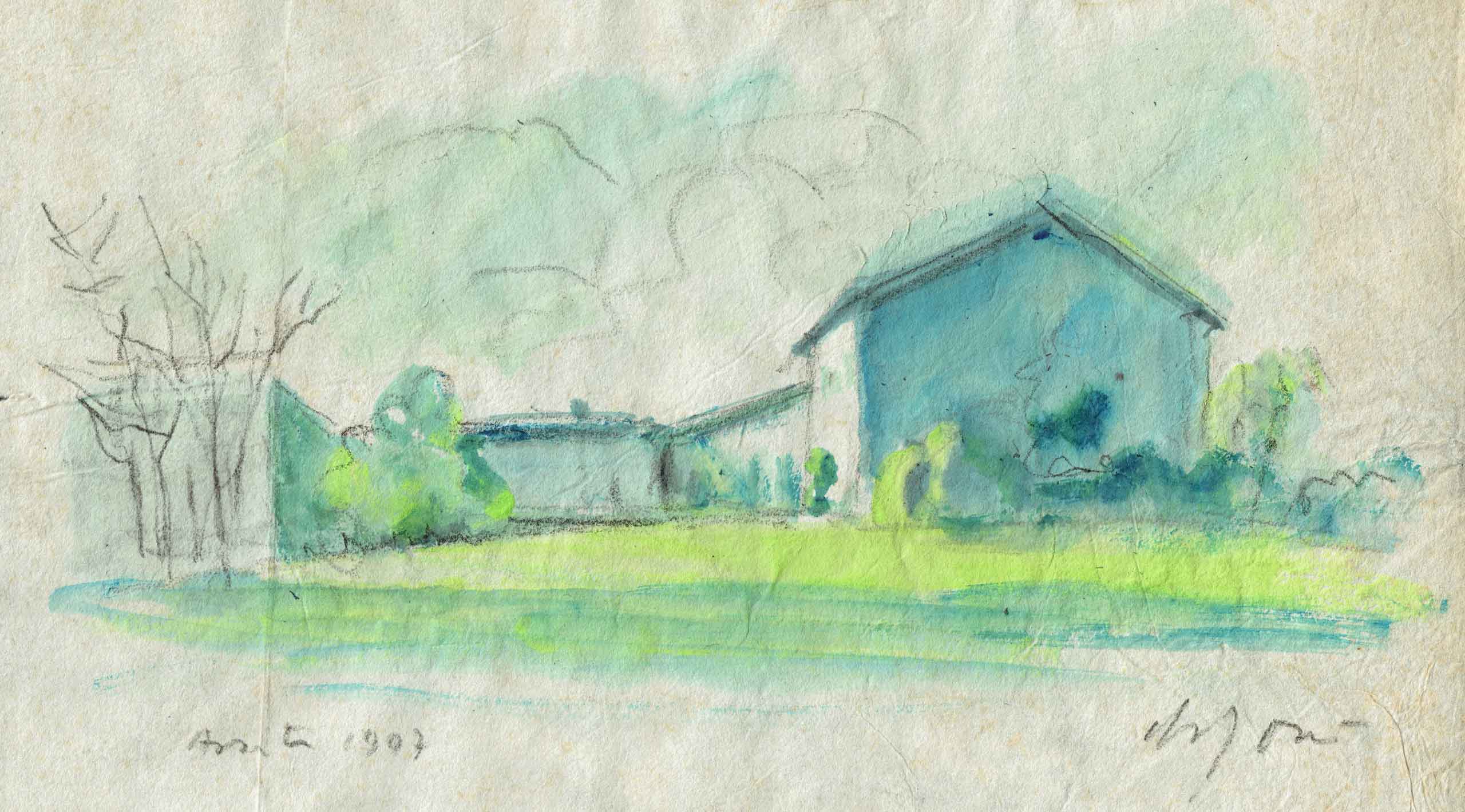
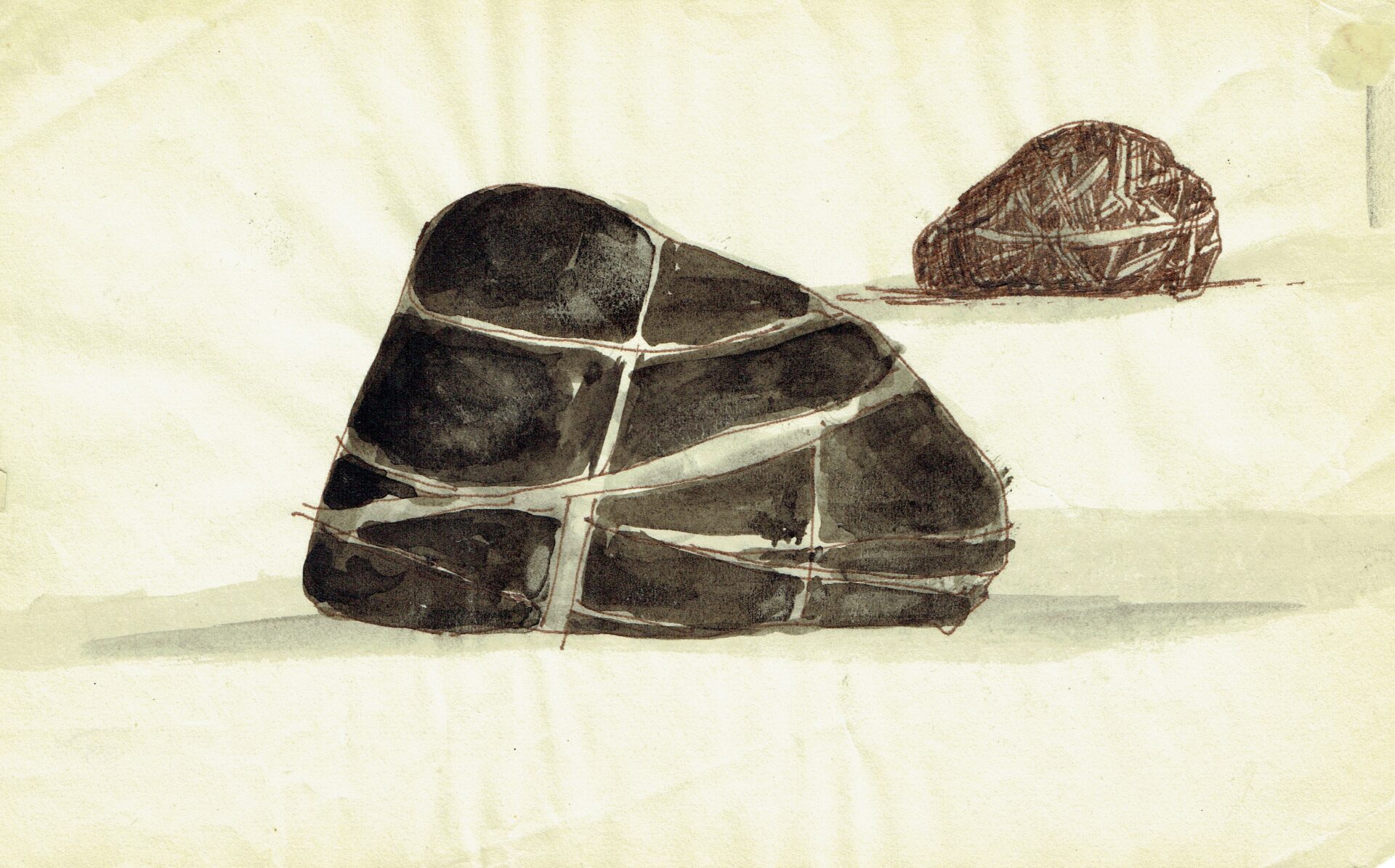
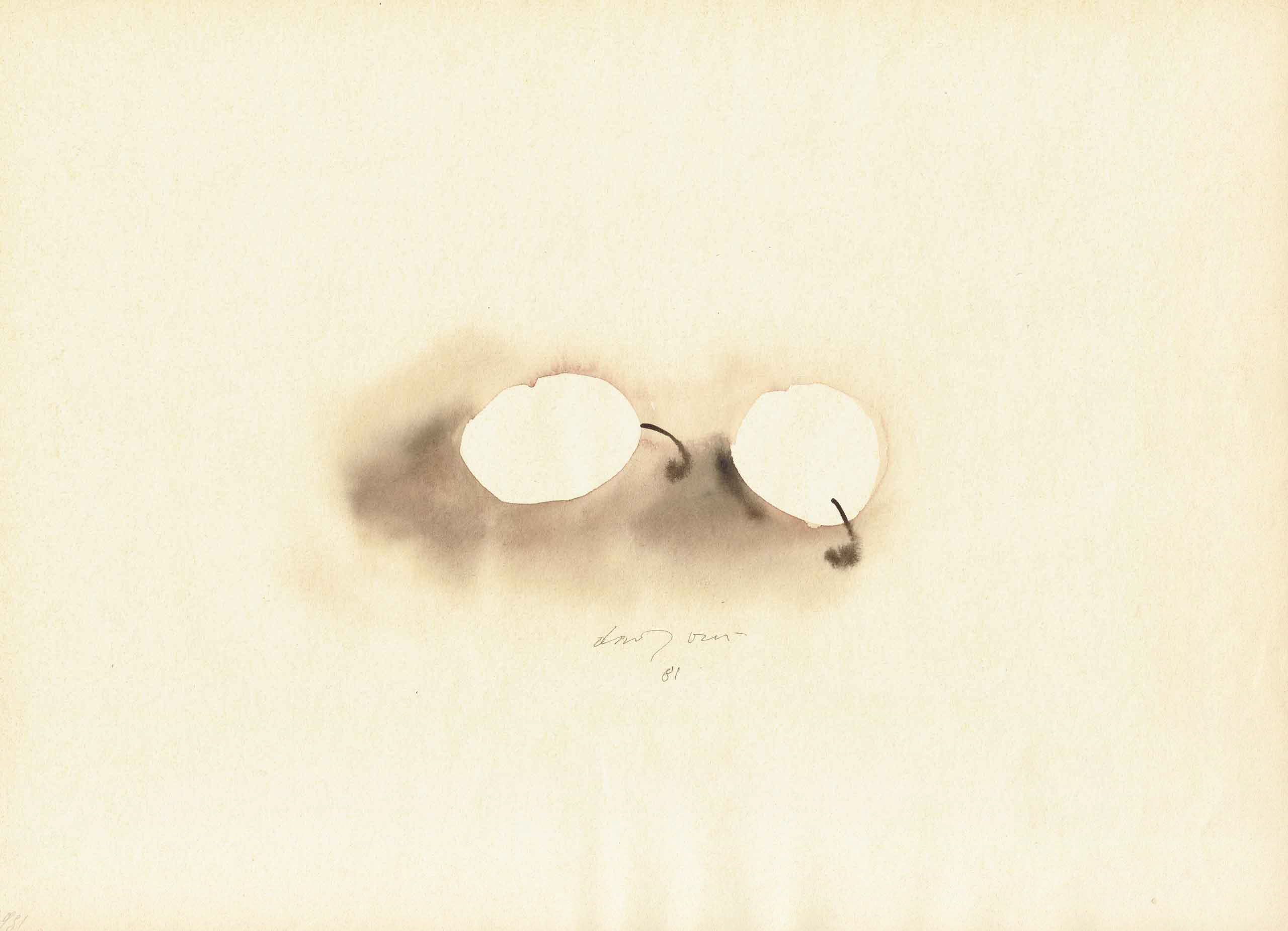
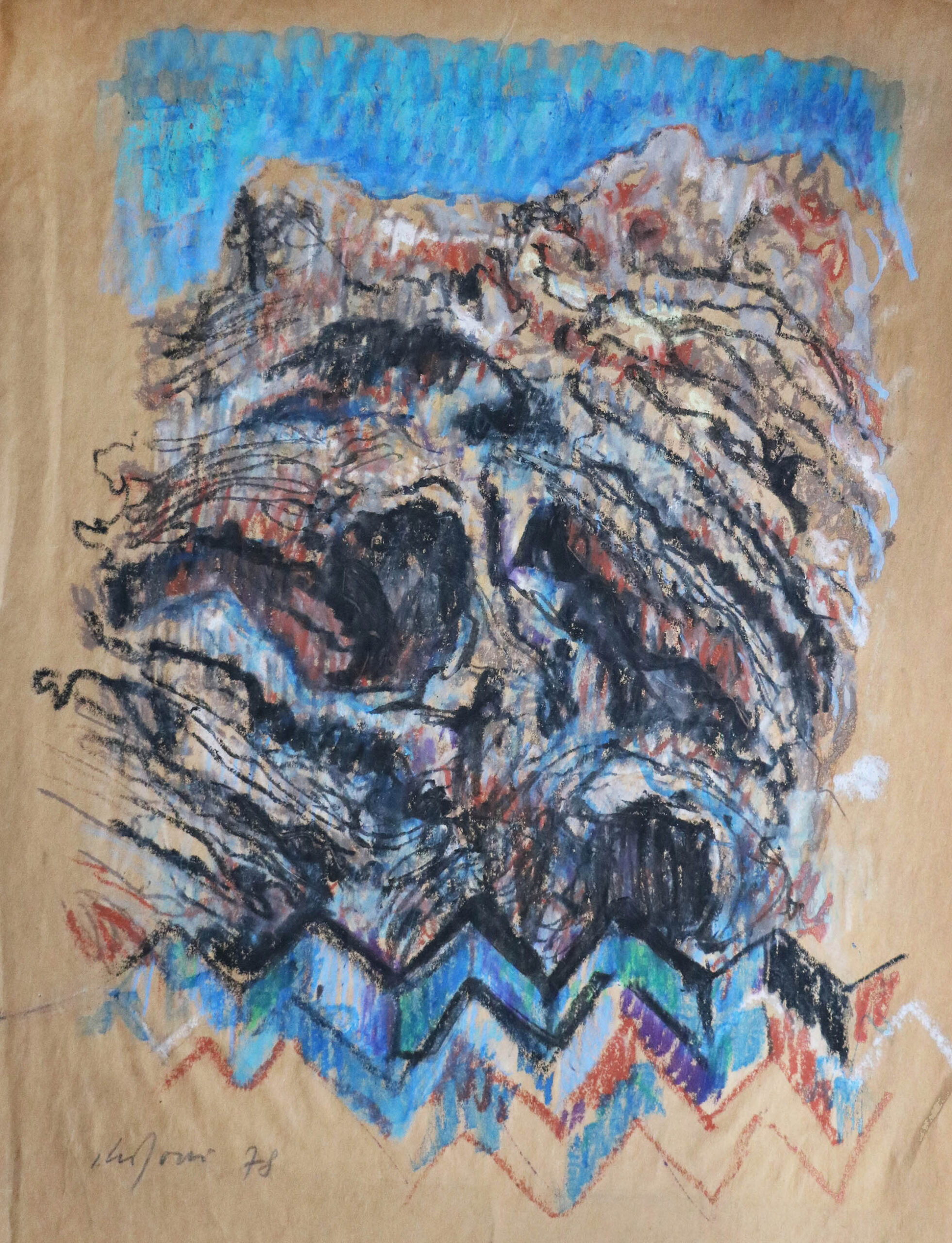
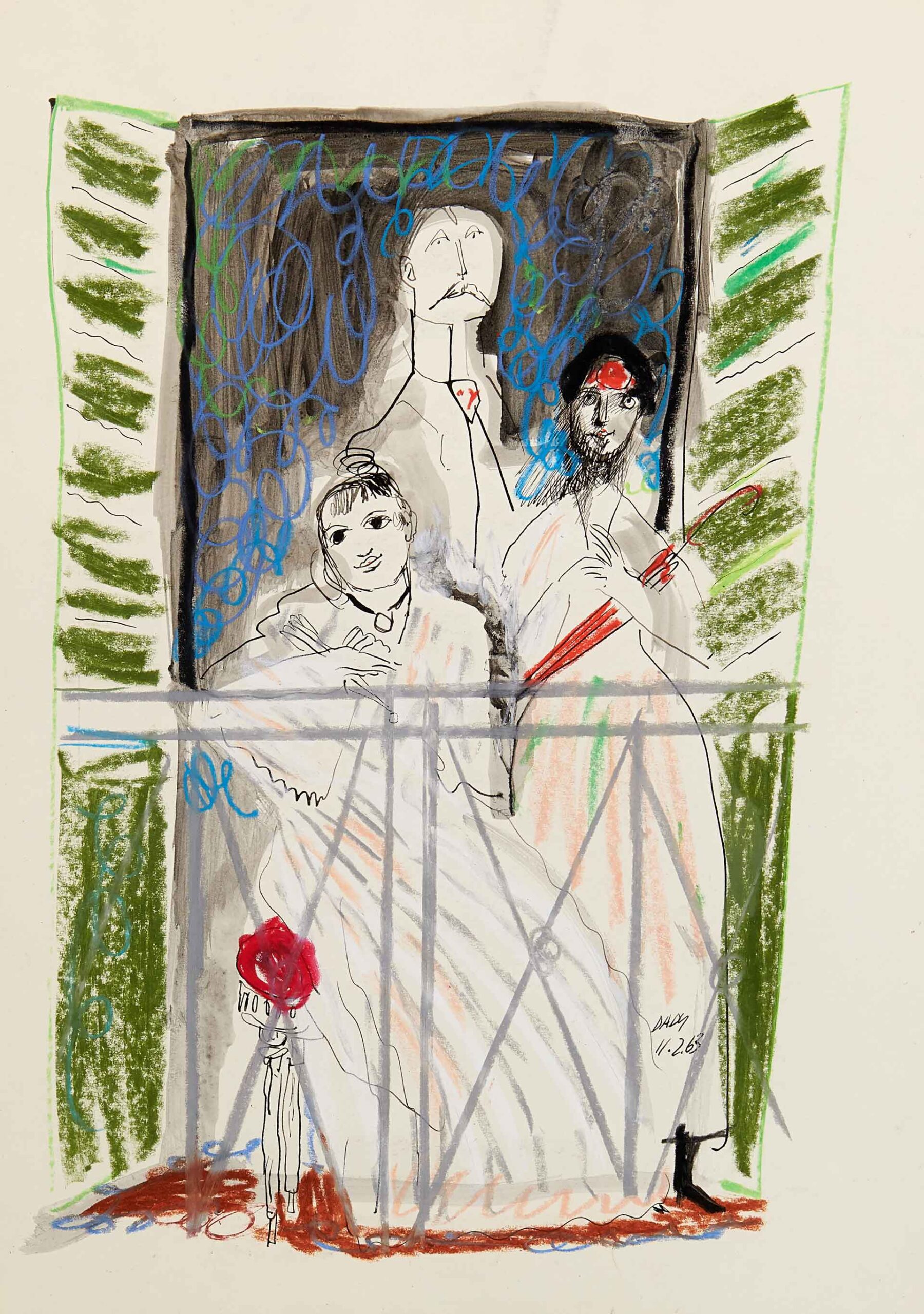
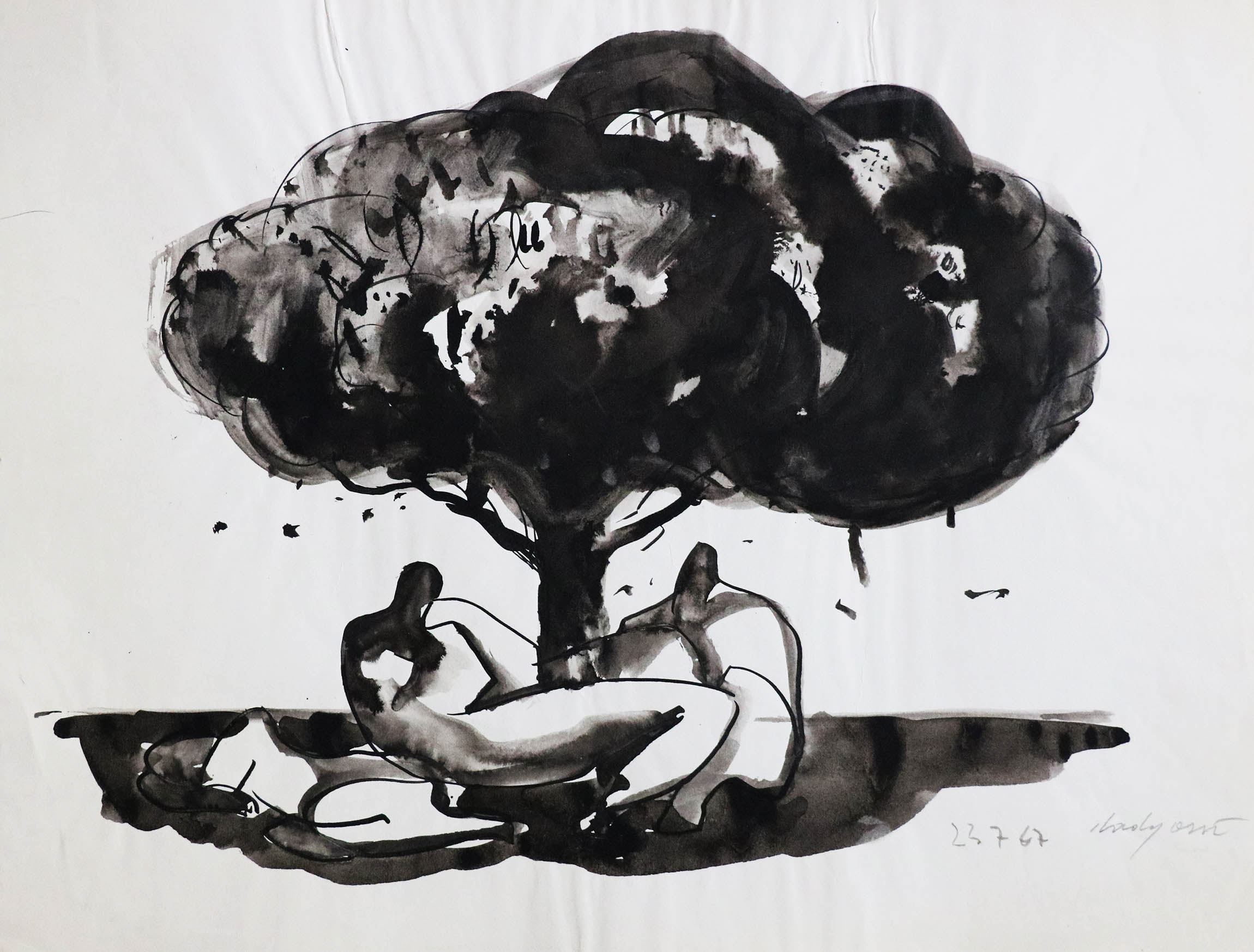
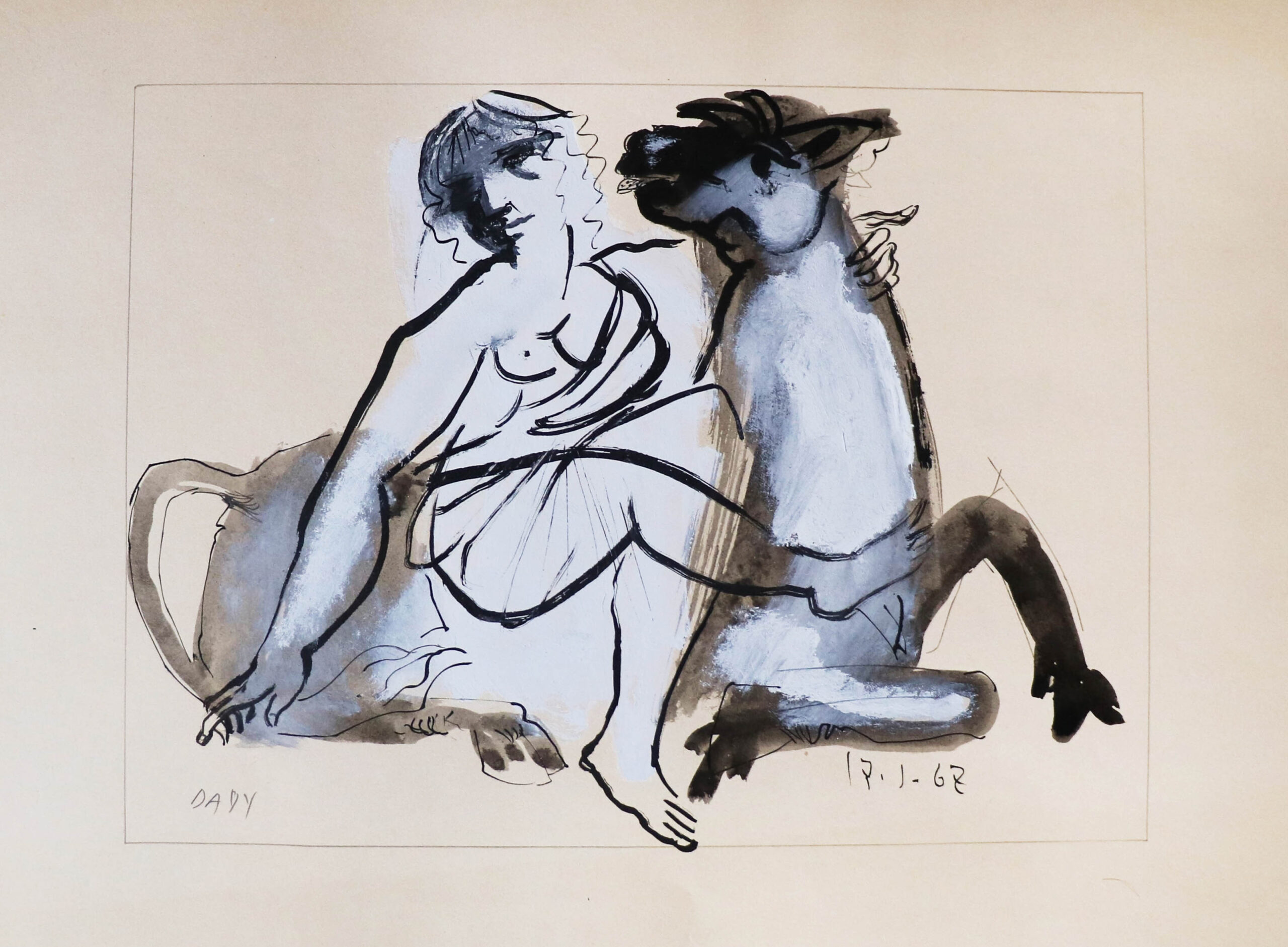
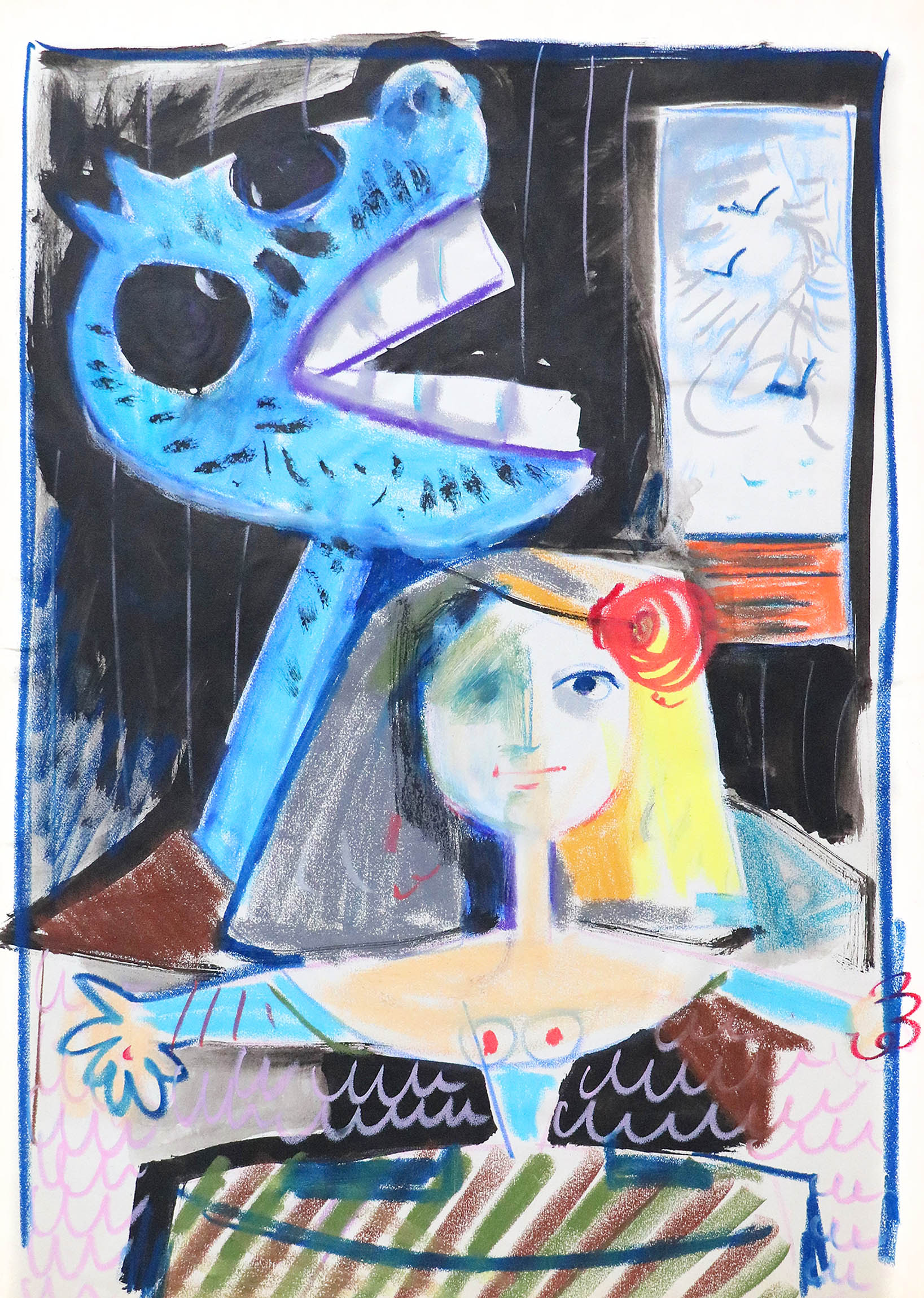
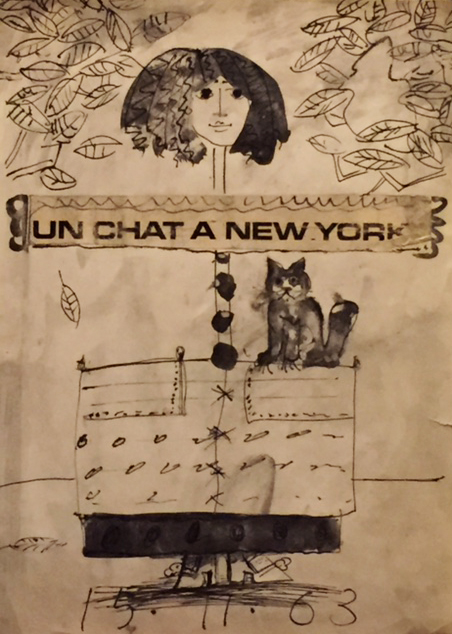
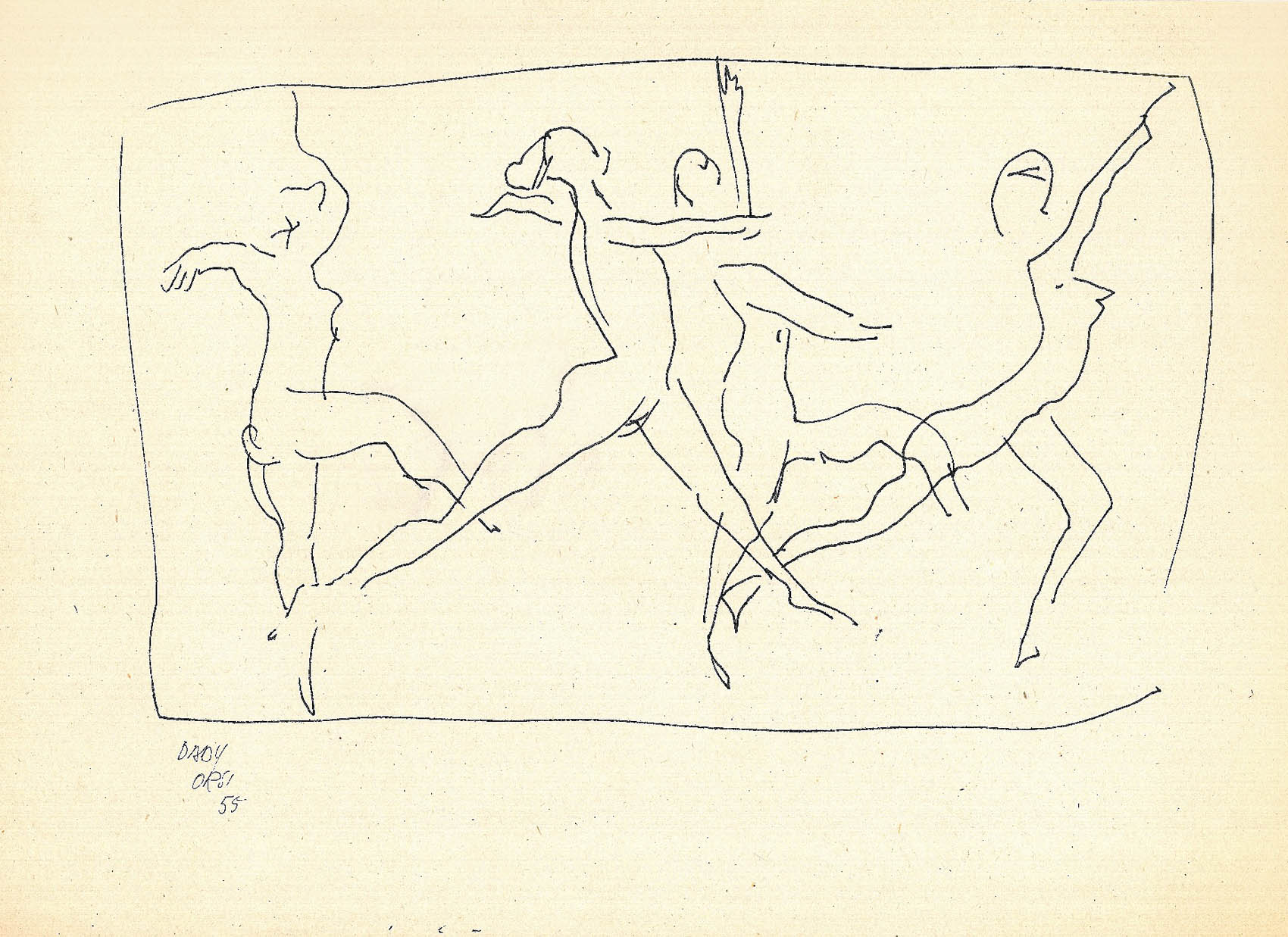
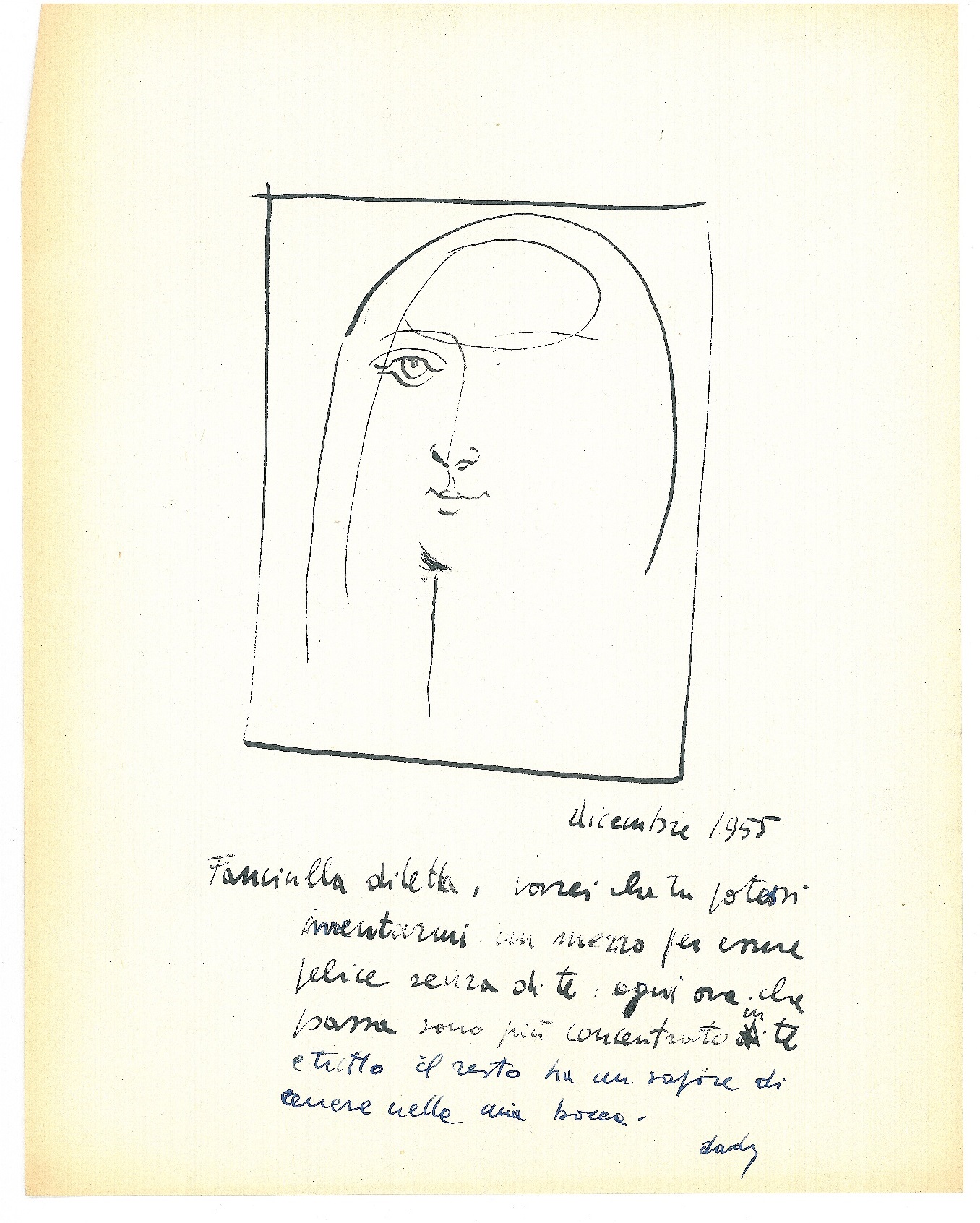
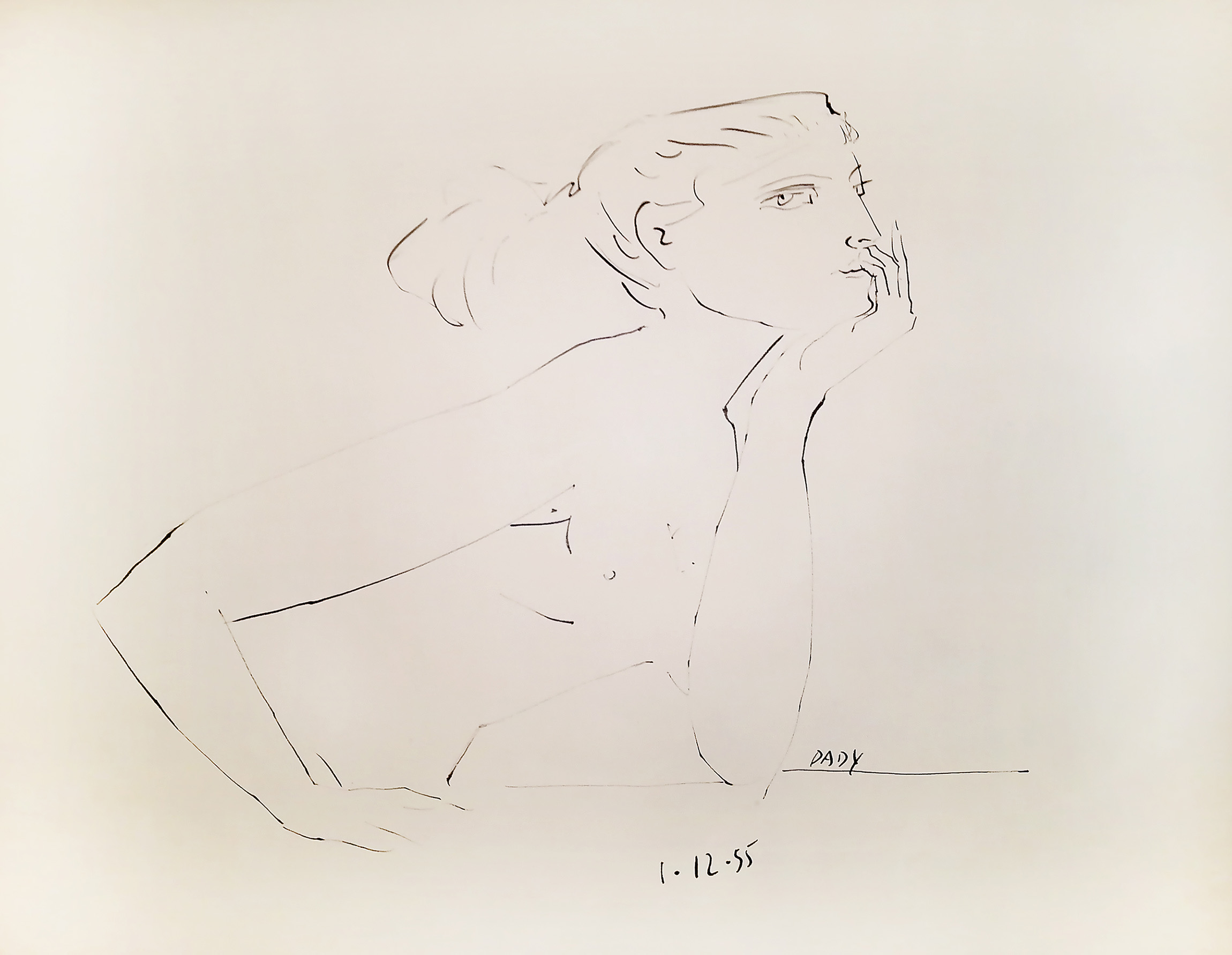
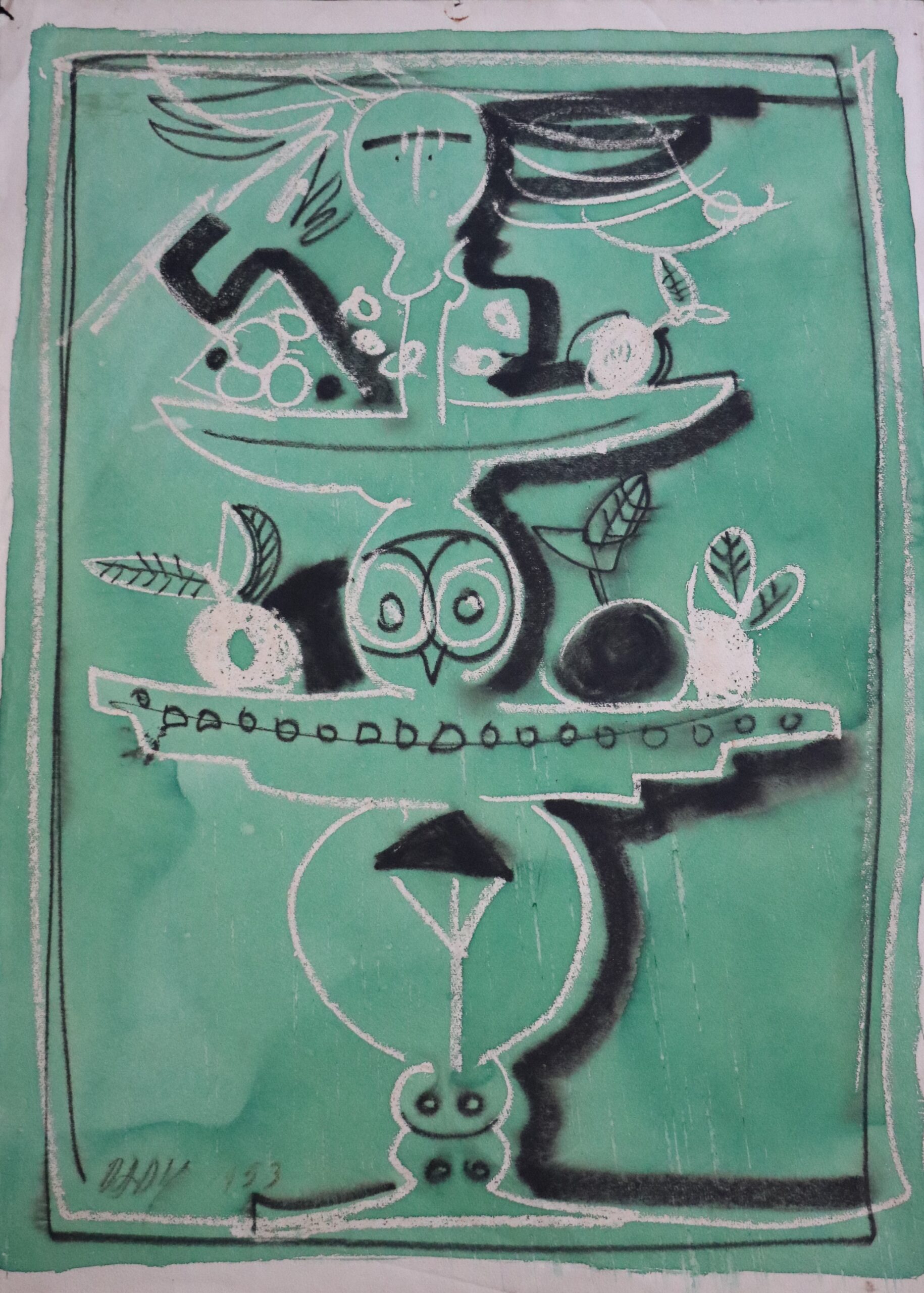
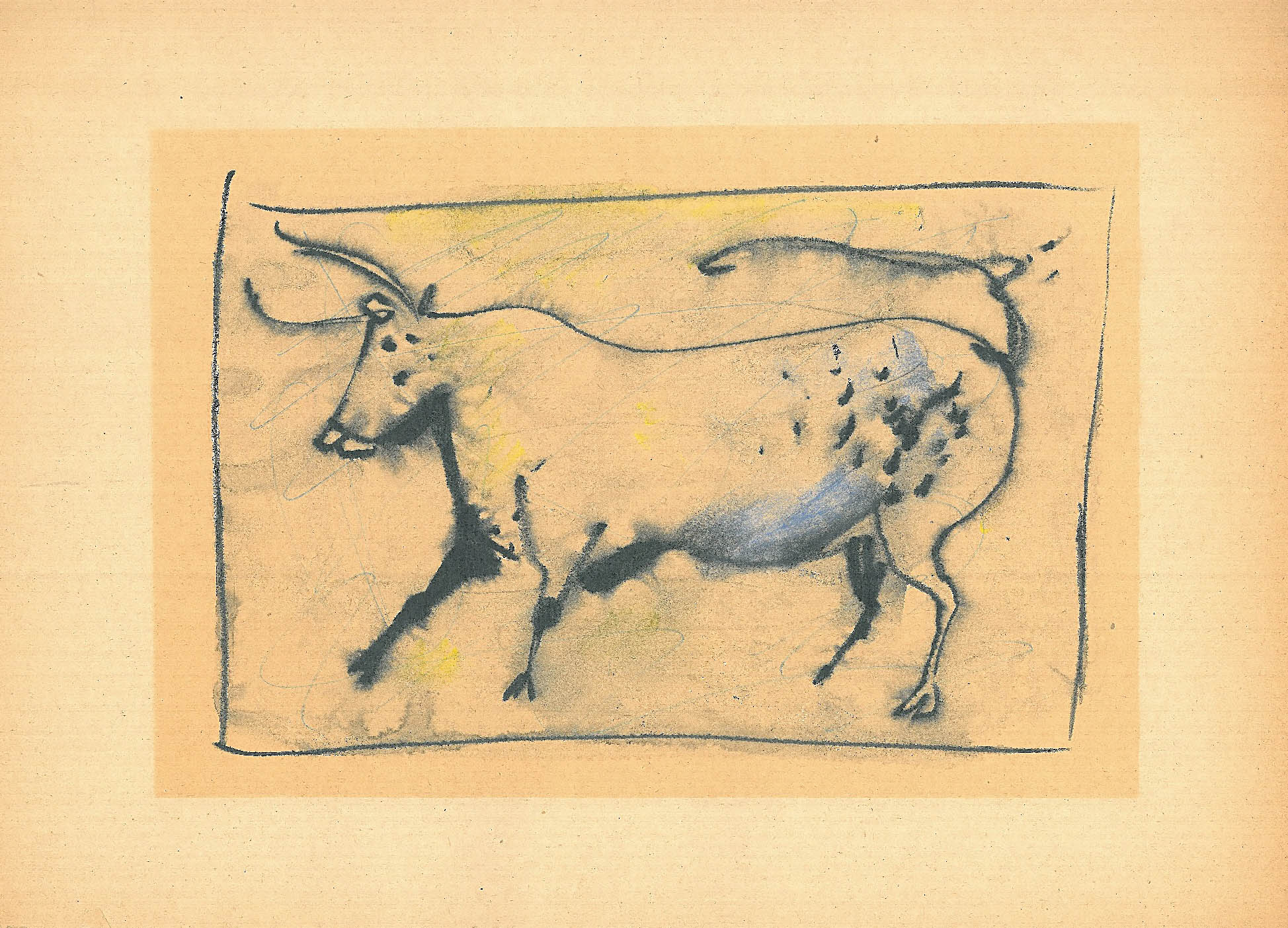
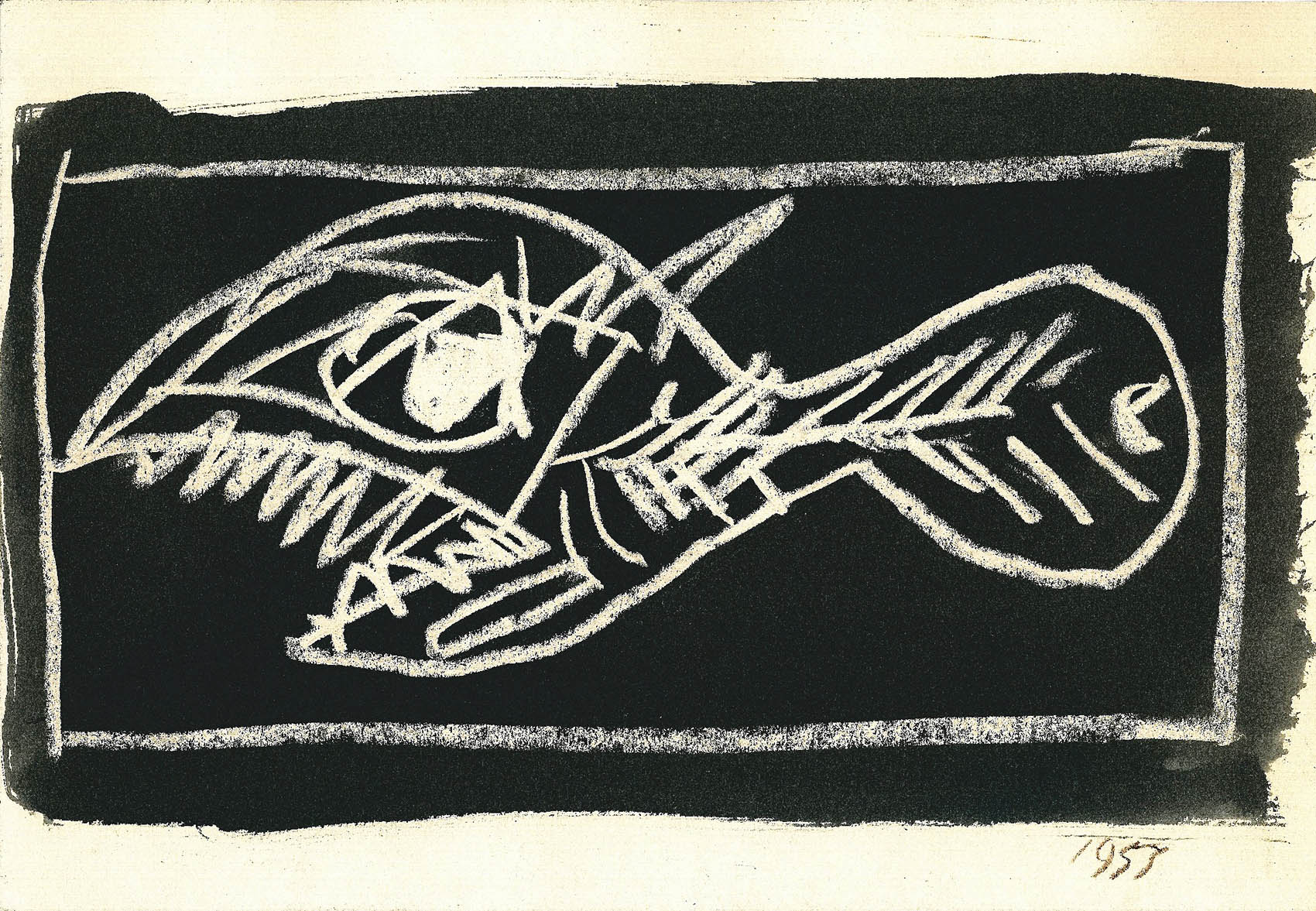
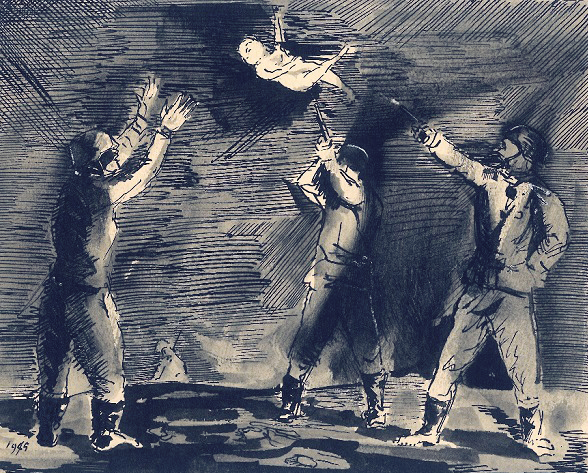
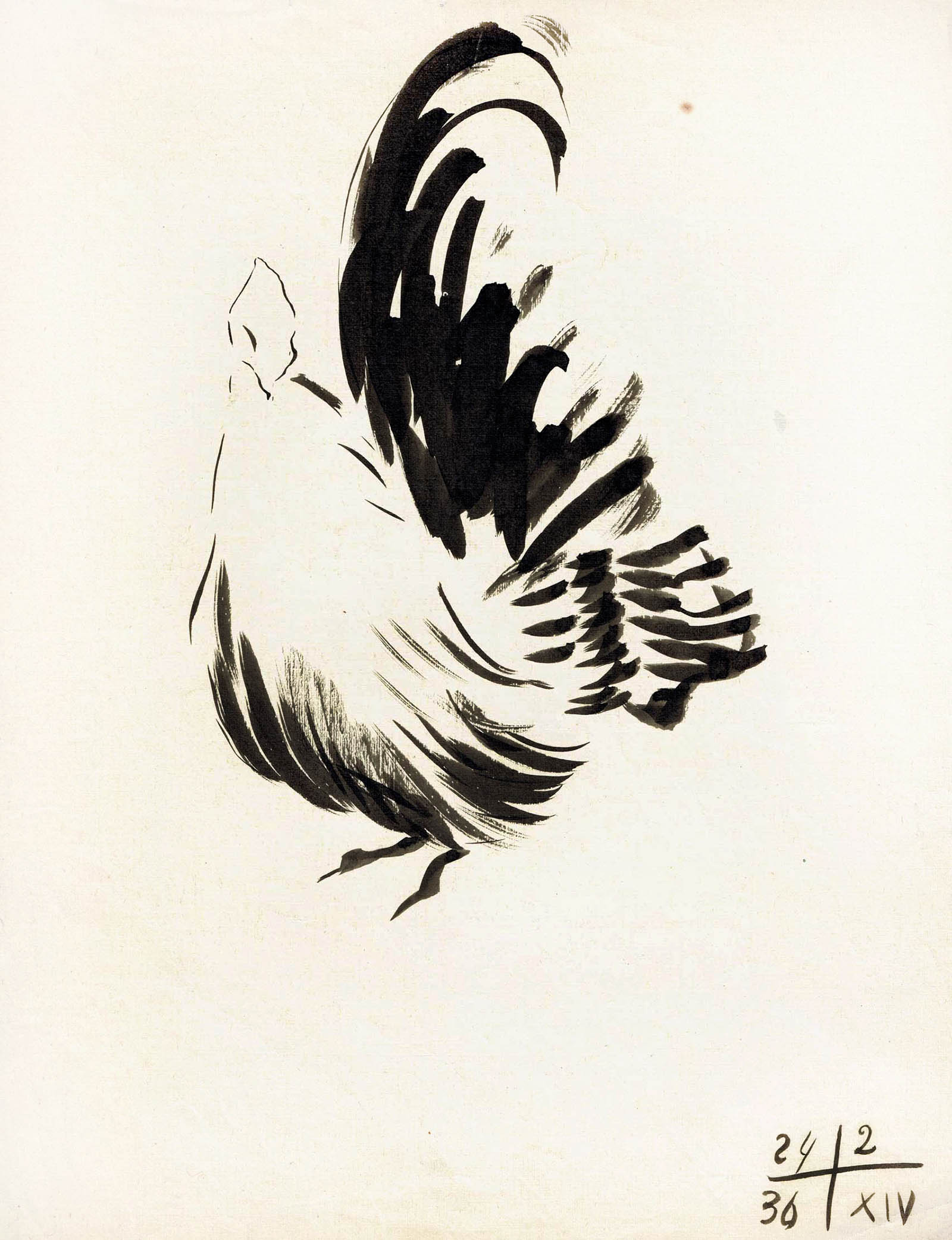
For Dady Orsi, drawing is the means to formulate figurative thought and translate his emotions into signs. He uses an endless variety of styles and techniques to express the broad spectrum of his feelings. In this daily exercise, Orsi finds the freedom of improvisation that is never separated from rigour. The primacy of drawing can also be seen in his painting, where the lines play a fundamental role. While still very young, he used non-academic ways of drawing. In some of his animal sketches from the 1930s, he used a brush technique inspired by Chinese painting. Here, elegance and naturalness are pursued through a quickness of line that is only apparently spontaneous. Orsi also uses drawing to take notes from real life. If in the small family groups of the early 1940s he draws purely as an outline and depicts social irregularities and disparities with ironic subtlety, as a soldier he draws the shootings with the firm dryness of one who has experienced the horrors of war first-hand: these works are among the very rare instances in which the artist depicts the “crooked wood of humanity”. Pencil and ink given to pen and brush are the most commonly used techniques. The 1950s saw an artist sketching the gracefulness of female figures and dance with open, aerial, and mobile lines. In the wax drawings, the abstract sign gives the creatures depicted an archaic and primordial character. This unique technique is like that of batik, where the drawing is traced with transparent wax on which a colour is then applied to reveal the lines. In the 1960s, he was poised between the dramatic energy of Picasso and a desire for detached lightness. His techniques included collage and coloured pastels. From the 1970s onwards he produced a large series of female figures drawn in pastel. The work of recent decades favours the transparency of watercolour or liquid gouache on a few marks. In the Still-lifes of the 1980s, the work on minimal drawing combines the vagueness of transparency with precision.