In sculpture, what counts is the the harmonious occupation of space […].
Fausto Melotti
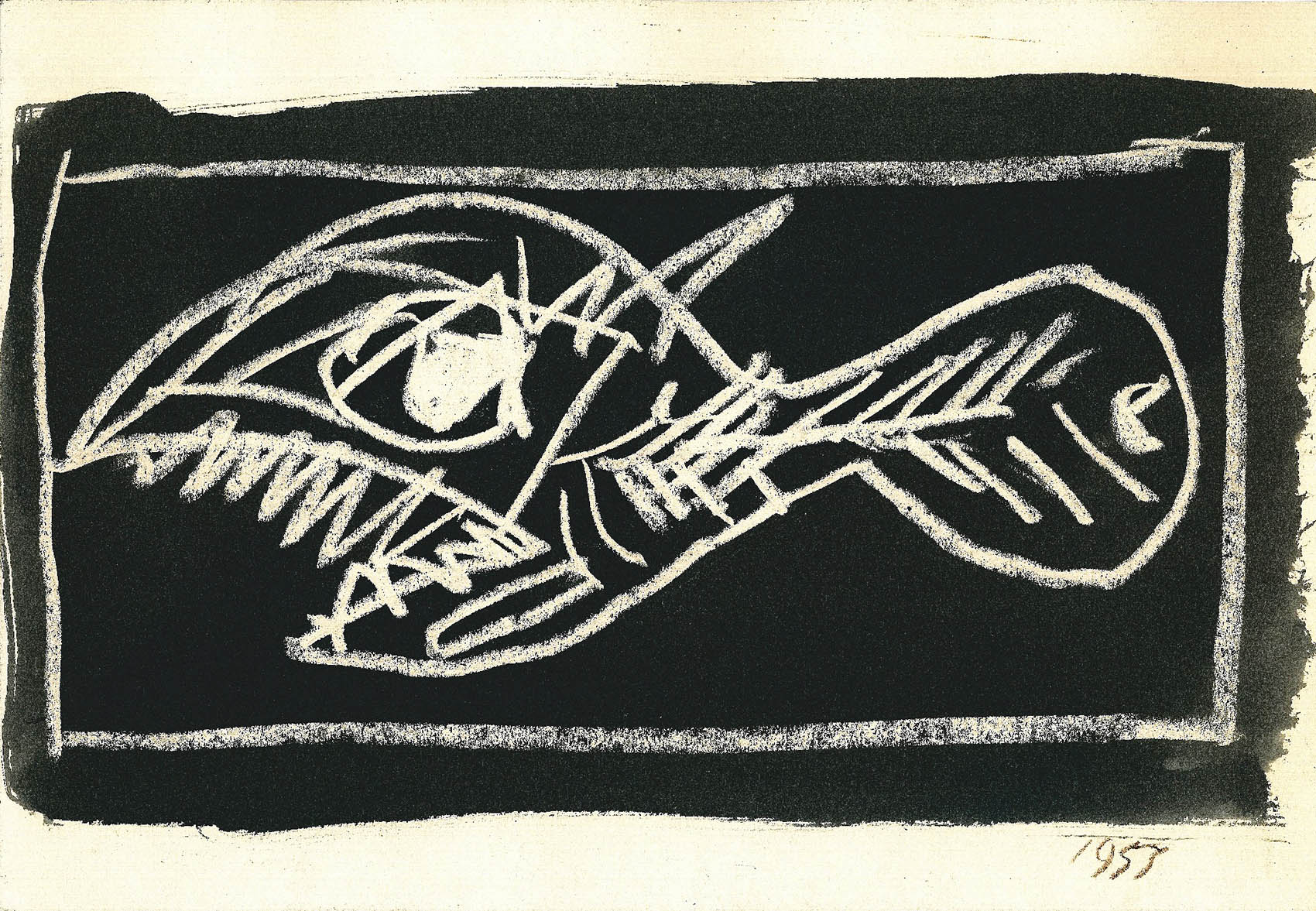
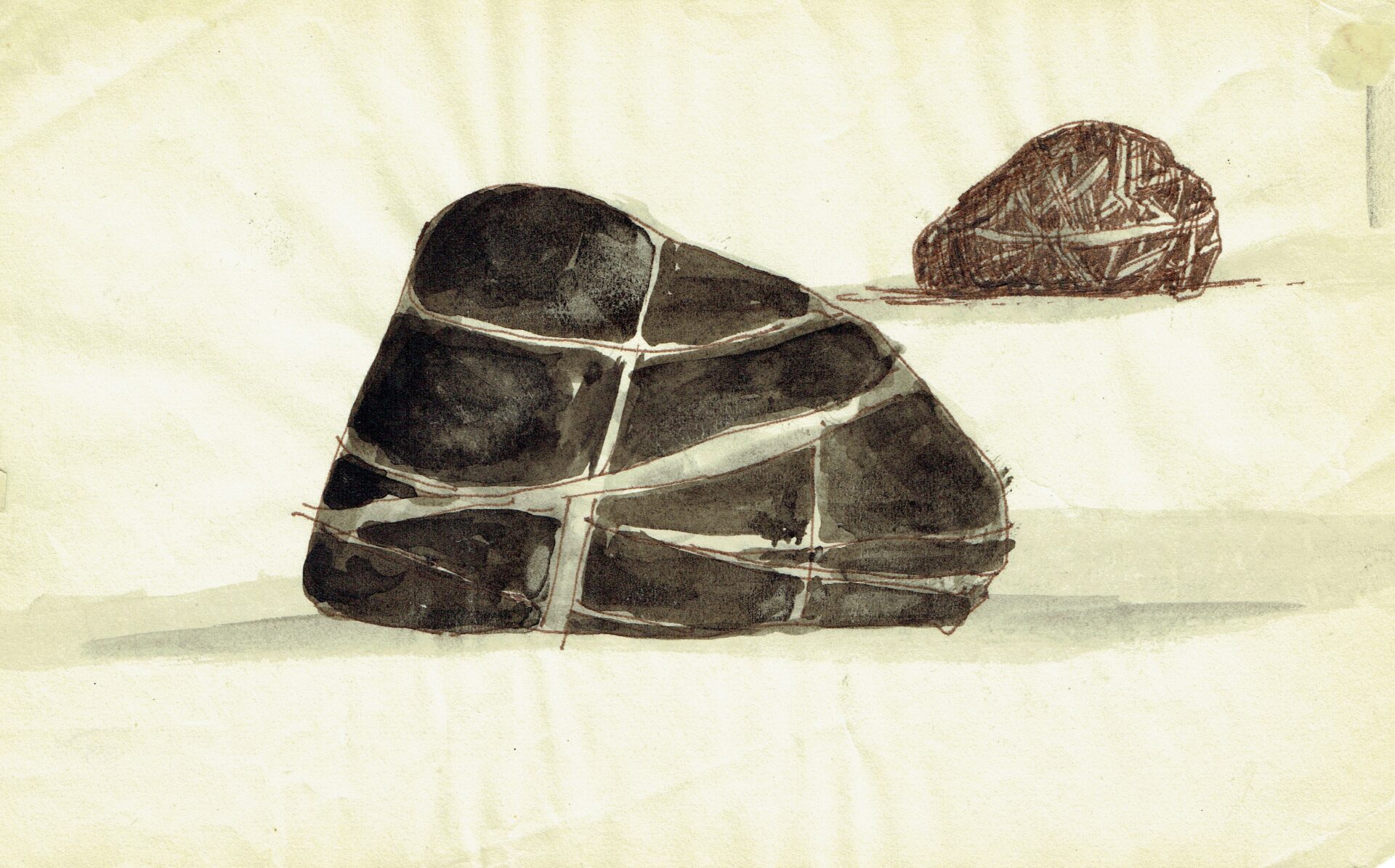
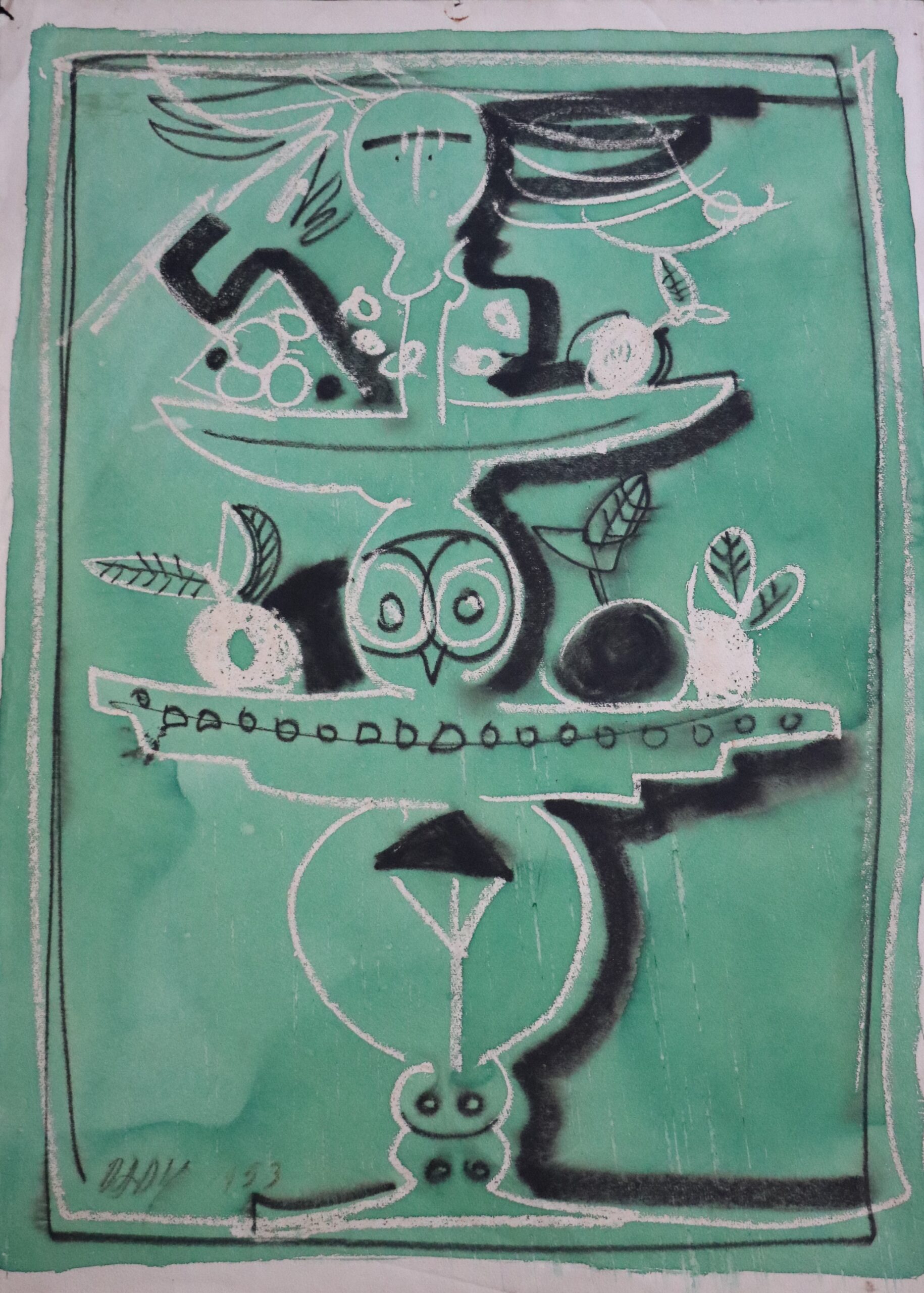
In the production of applied art objects Dandy Orsi shows a predilection for certain materials: black iron, wood, transparent glass and fabric. In this sense, the artist is part of a debate on the distinction between Art and Design that is typical of those years. Orsi does not share this dichotomy and likes to move in borderline territory. Wood is the material of a series of ready-made sculptures entitled Alluvional Sculptures. Created in the early 1950s, these works are wooden fragments transported and shaped by the currents, carried along the shore of Lake Maggiore. Once they have been collected and left to dry, Orsi decorates them with paintings, using a deliberately playful and childlike method. If the shape of the branches gives a glimpse of an animal, for example, the painting intervenes to make this image slightly more explicit. Orsi’s furniture is also made by reusing old wooden artefacts already marked by time, to which a structure is added, and a new function given. The perception of a piece of furniture is also changed by its decoration: pieces of furniture such as L’ARMADIO CIVETTA, or screens take on a scenographic quality thanks to the decorations, rich in pictorial suggestions and trompe l’oeil effects. Black iron is the other material Orsi uses both in sculpture-assemblage and to build furniture structures. Glass is a different matter, a material with which the artist has always had a special relationship. The glass objects called Dalles, or glass tiles, which are thicker than sheets, are shaped and painted under glass. The Dalles are unique objects in the glass art of the time.