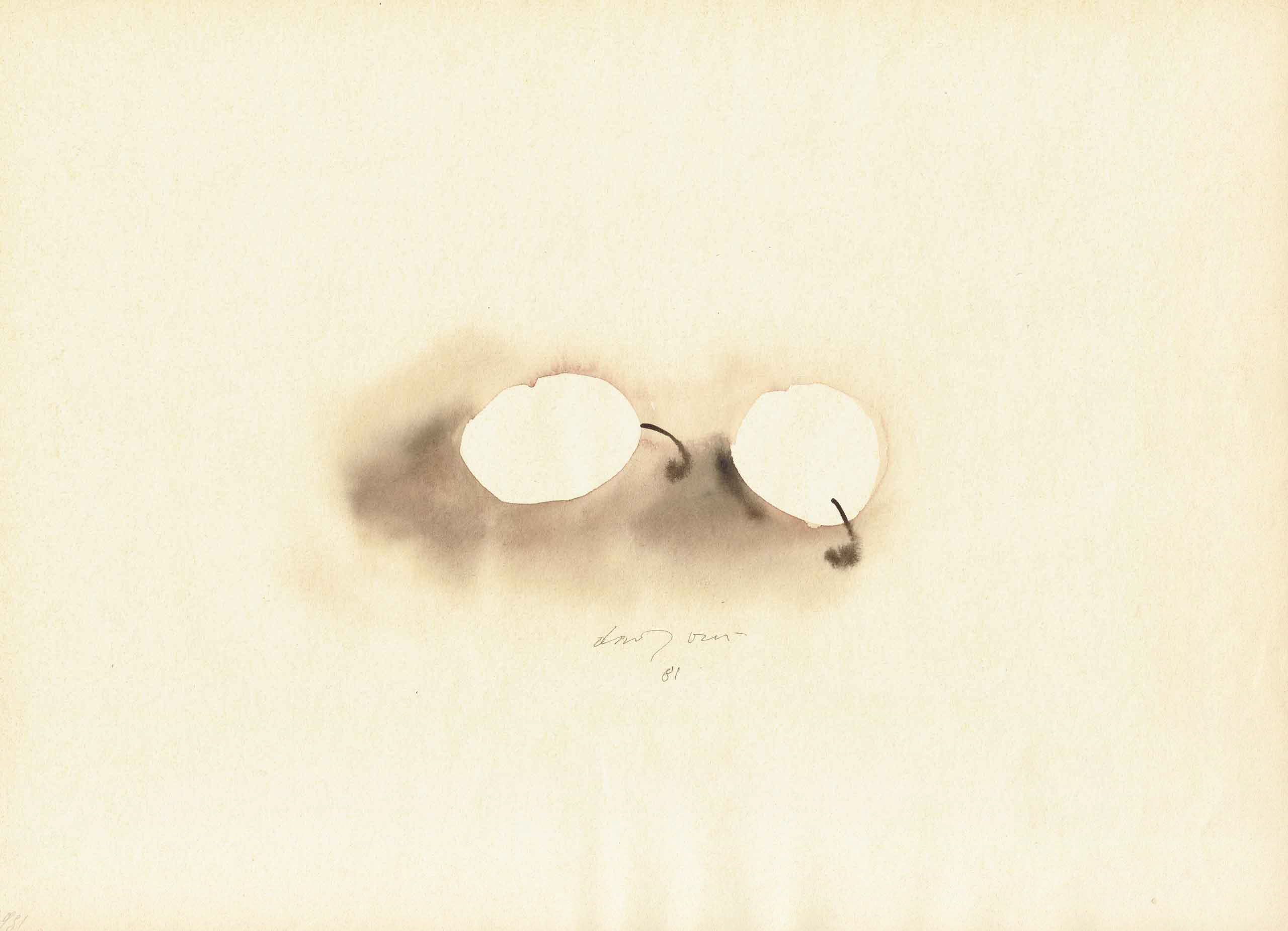
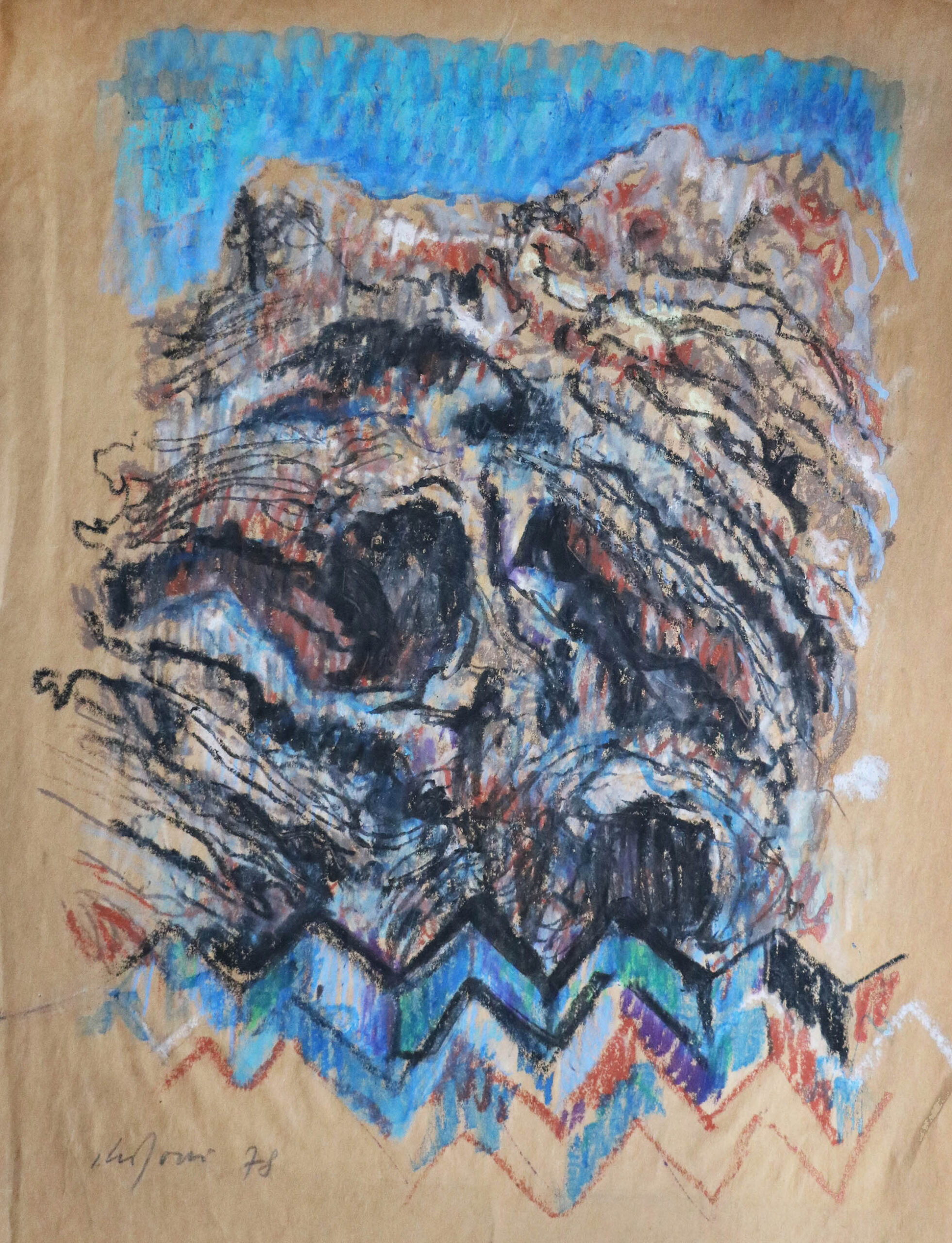
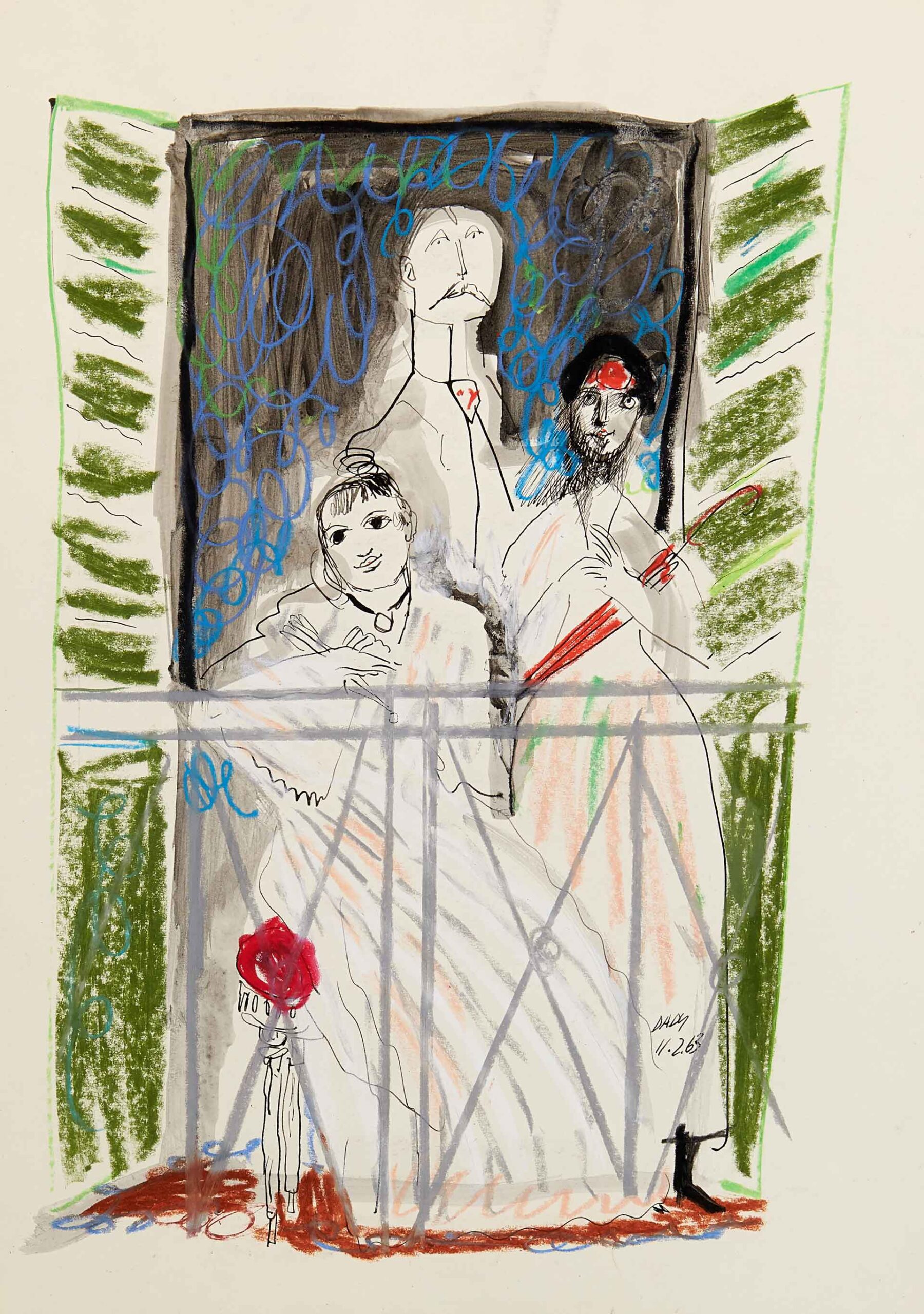
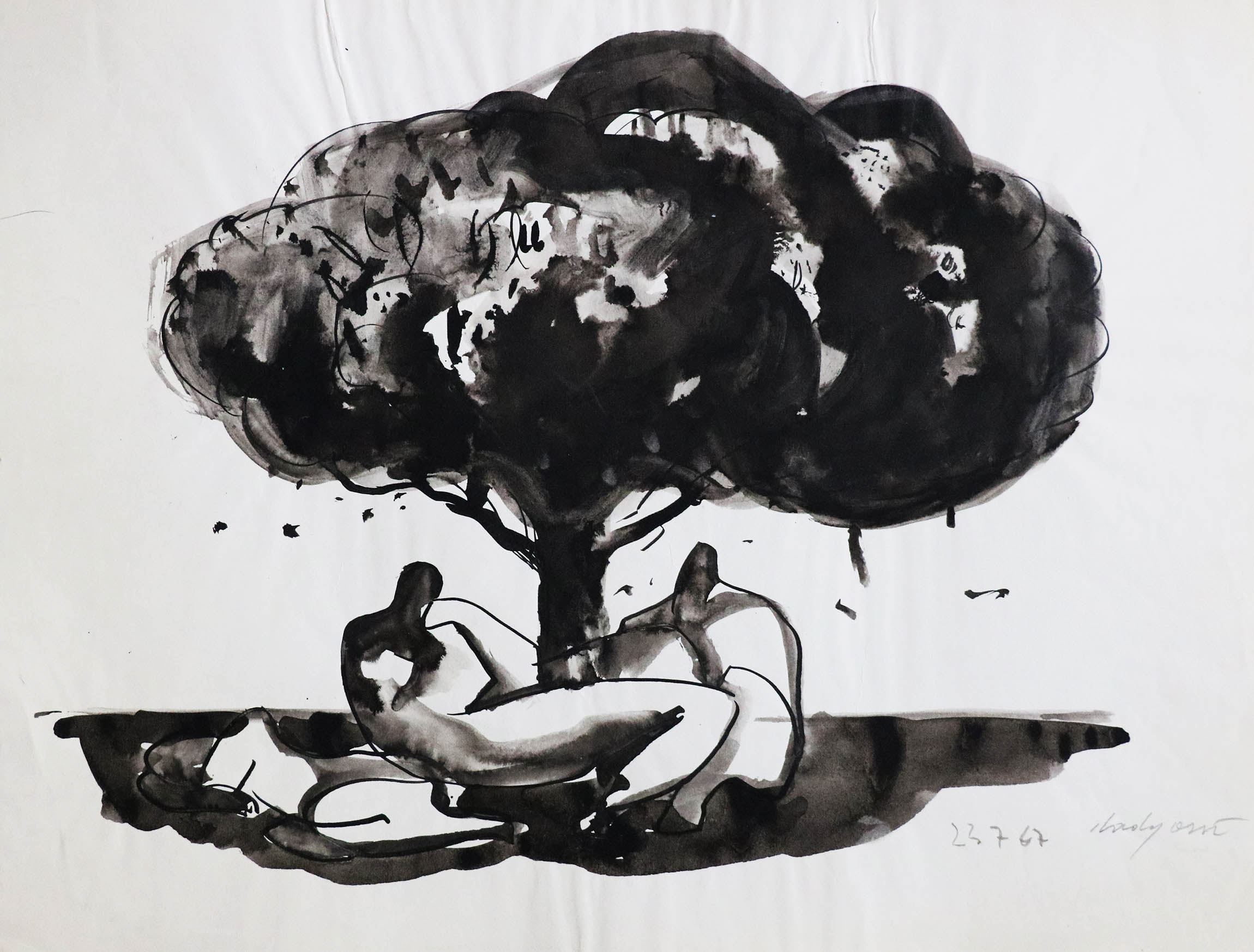
The graphic image […] is no longer merely a means a means of achieving poetic expression, but is often even the poetic expression itself.
Terisio Pignatti
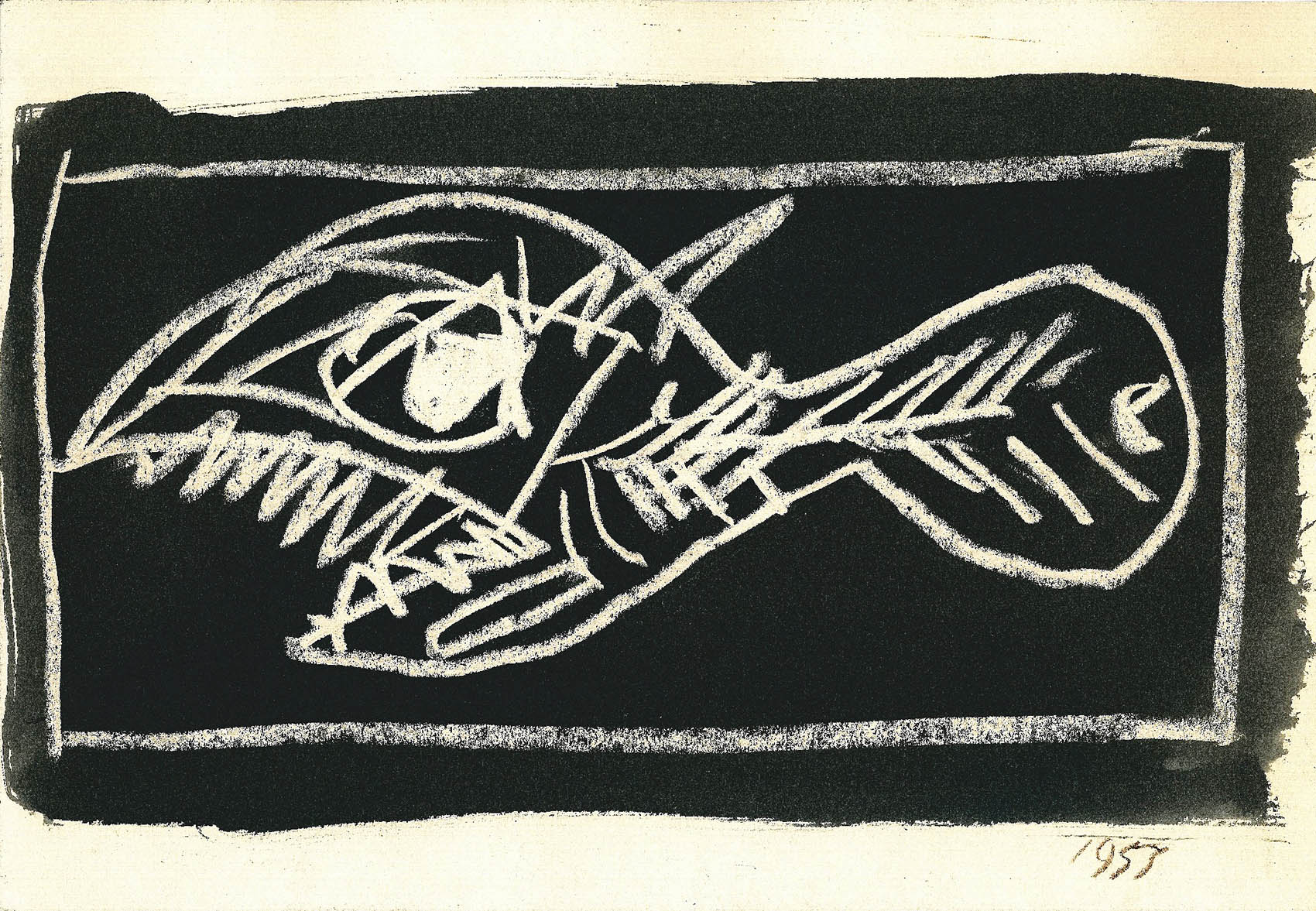
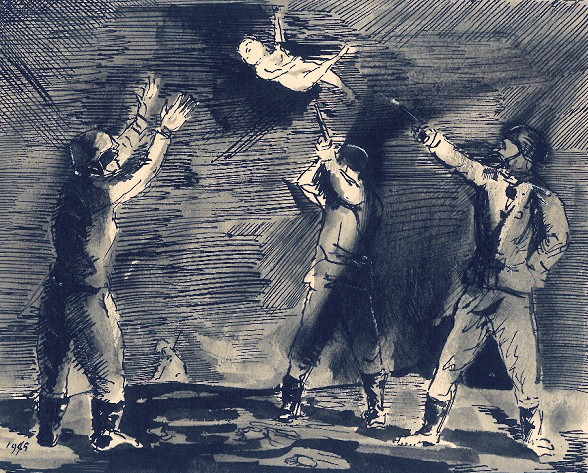
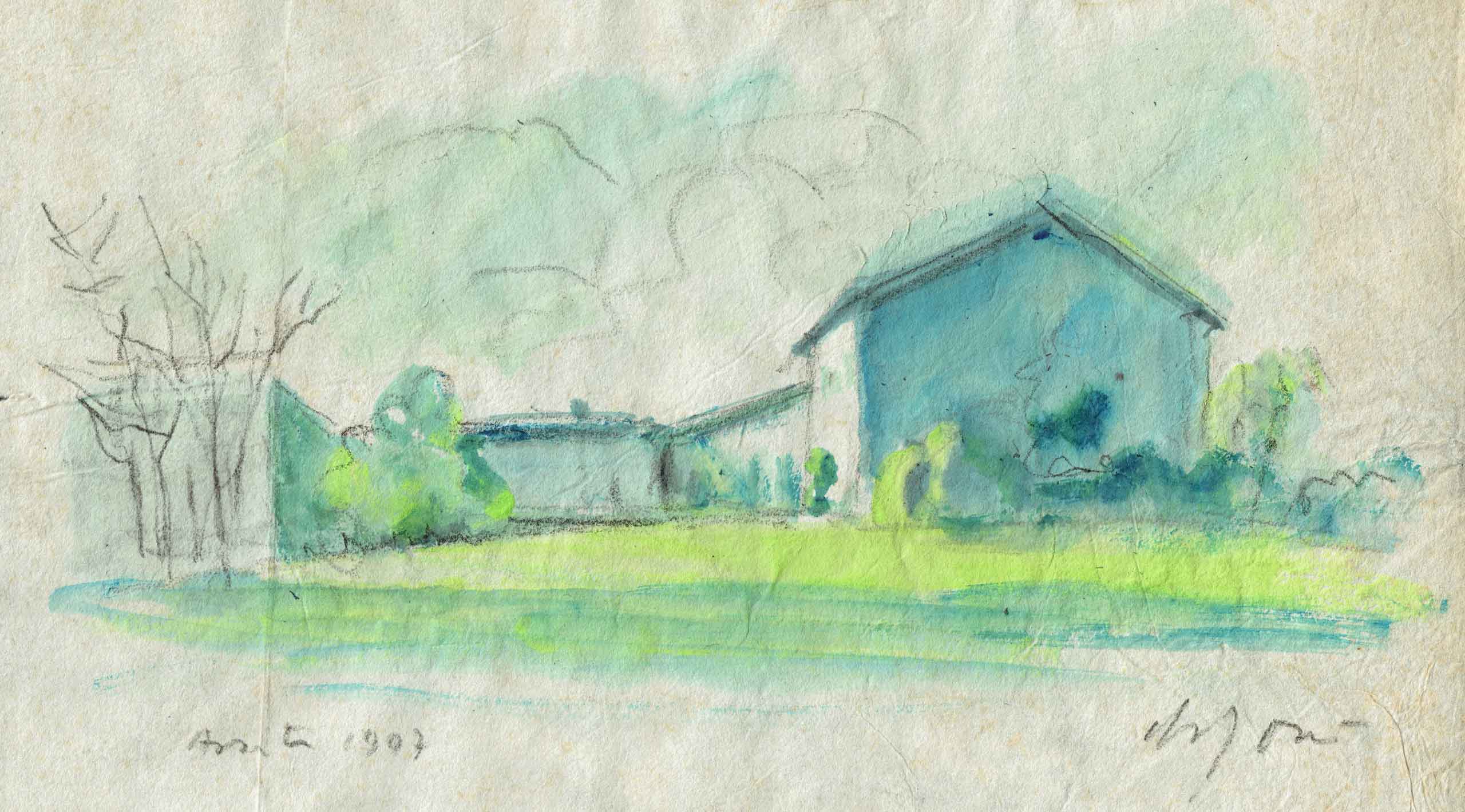
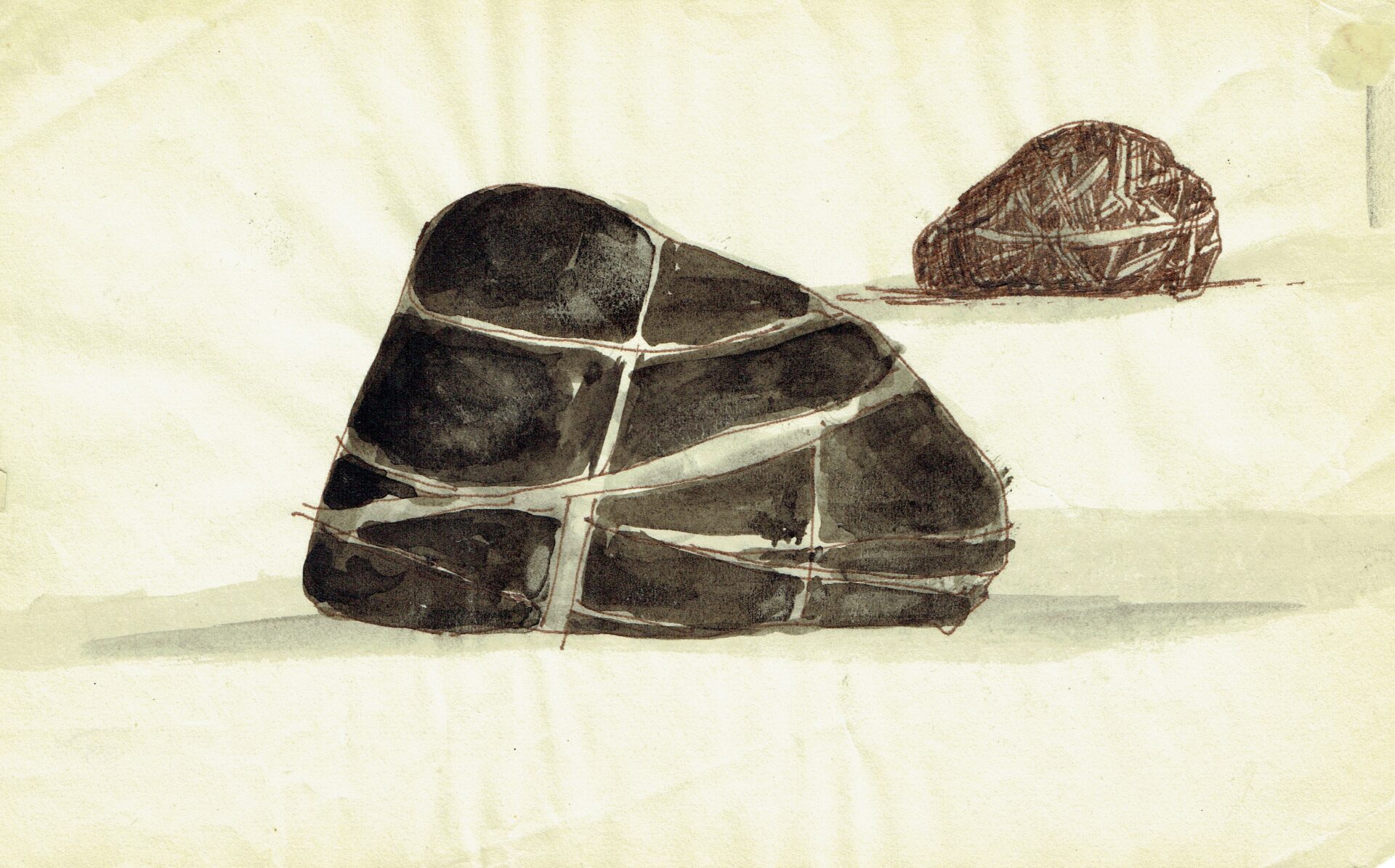
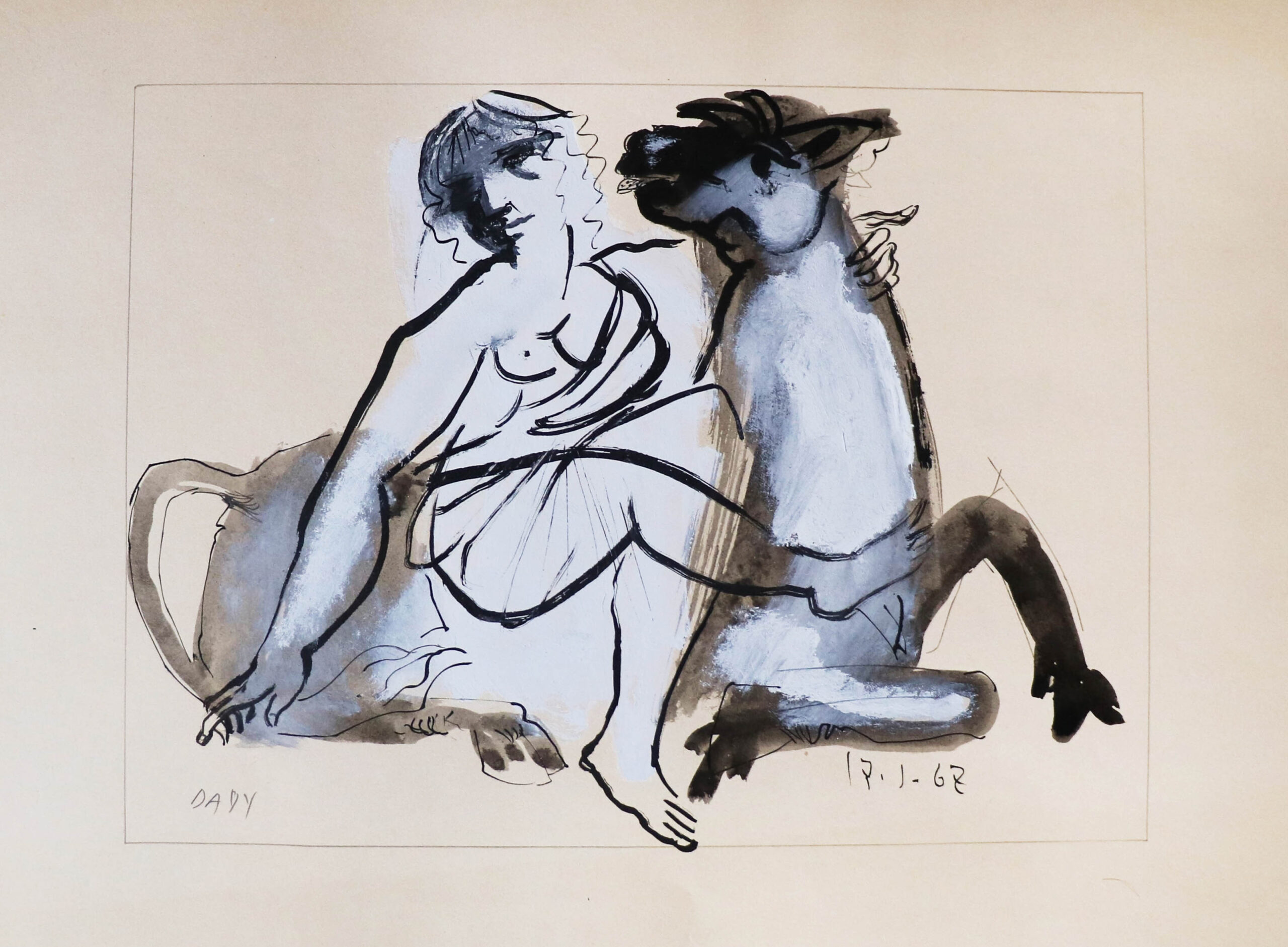
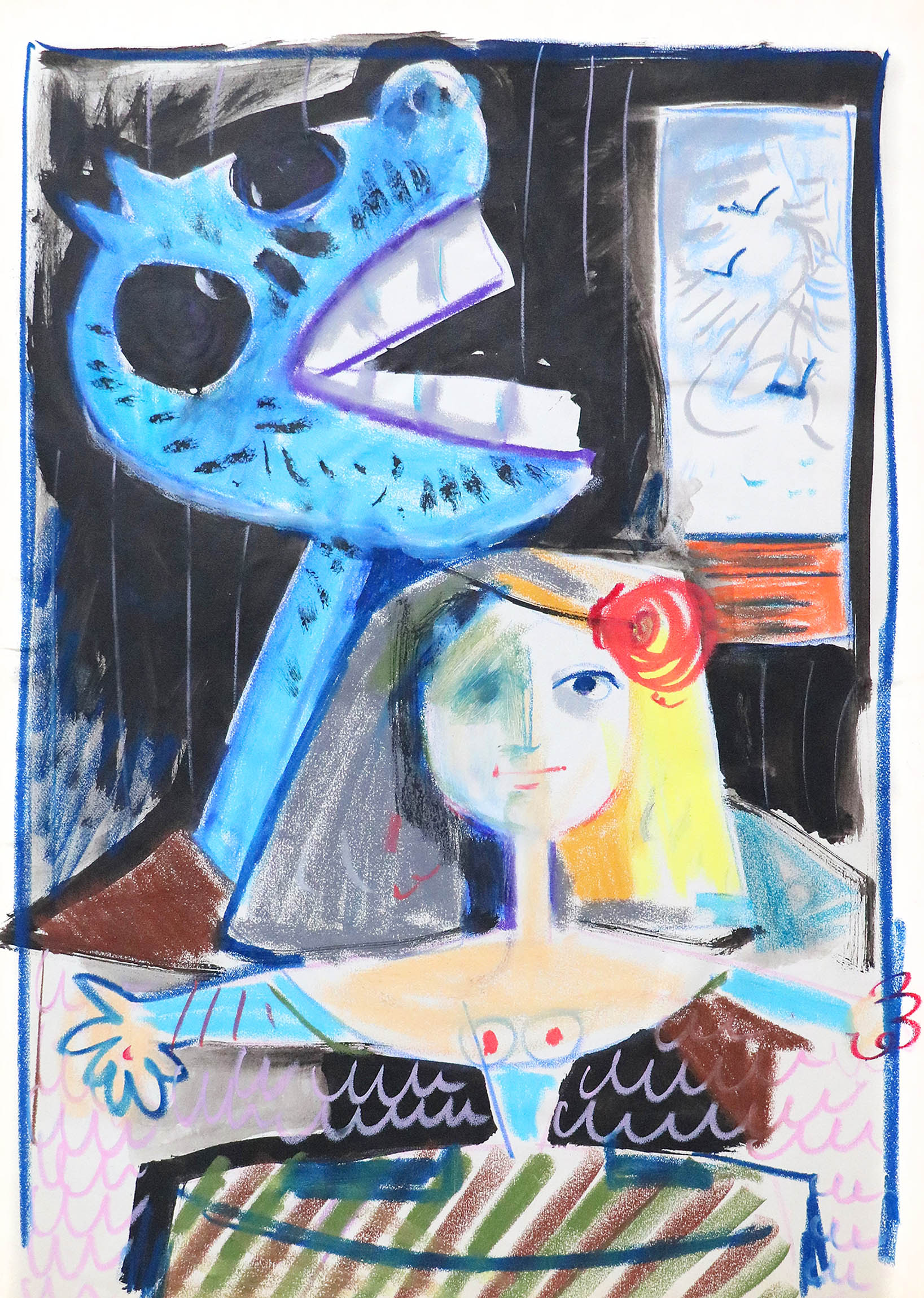
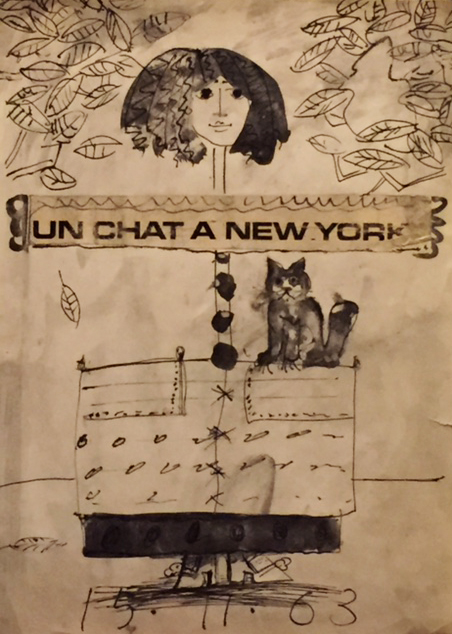
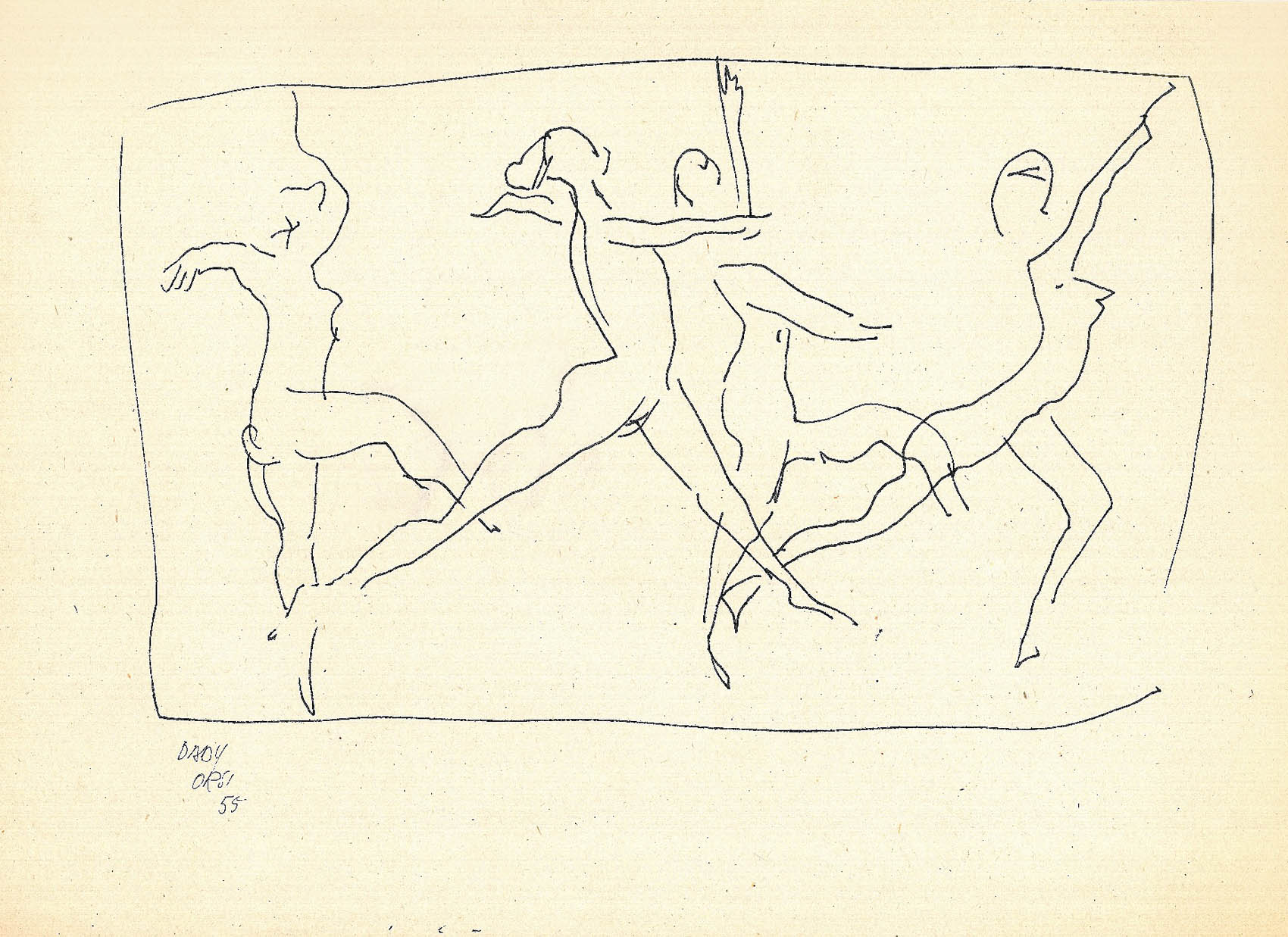
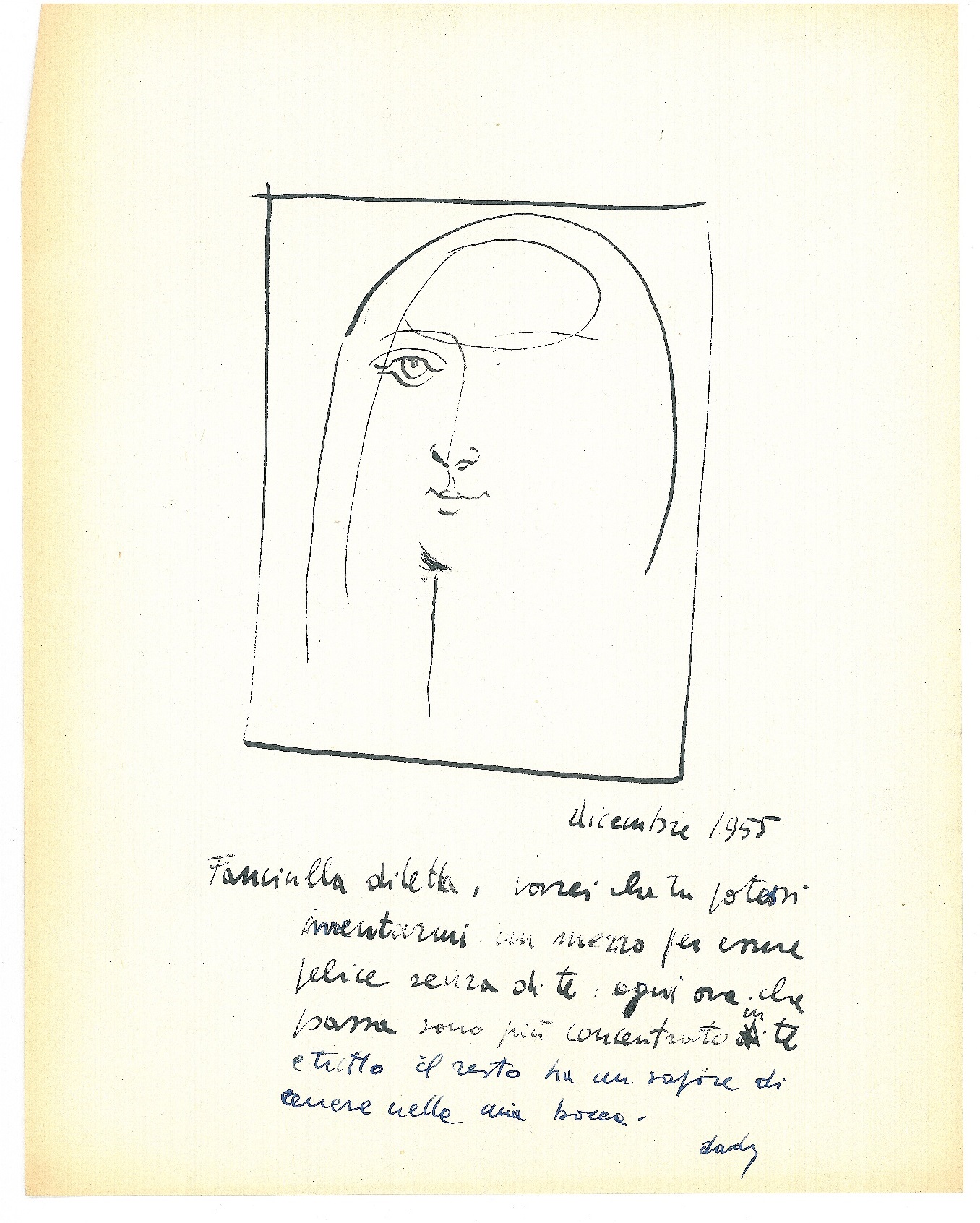
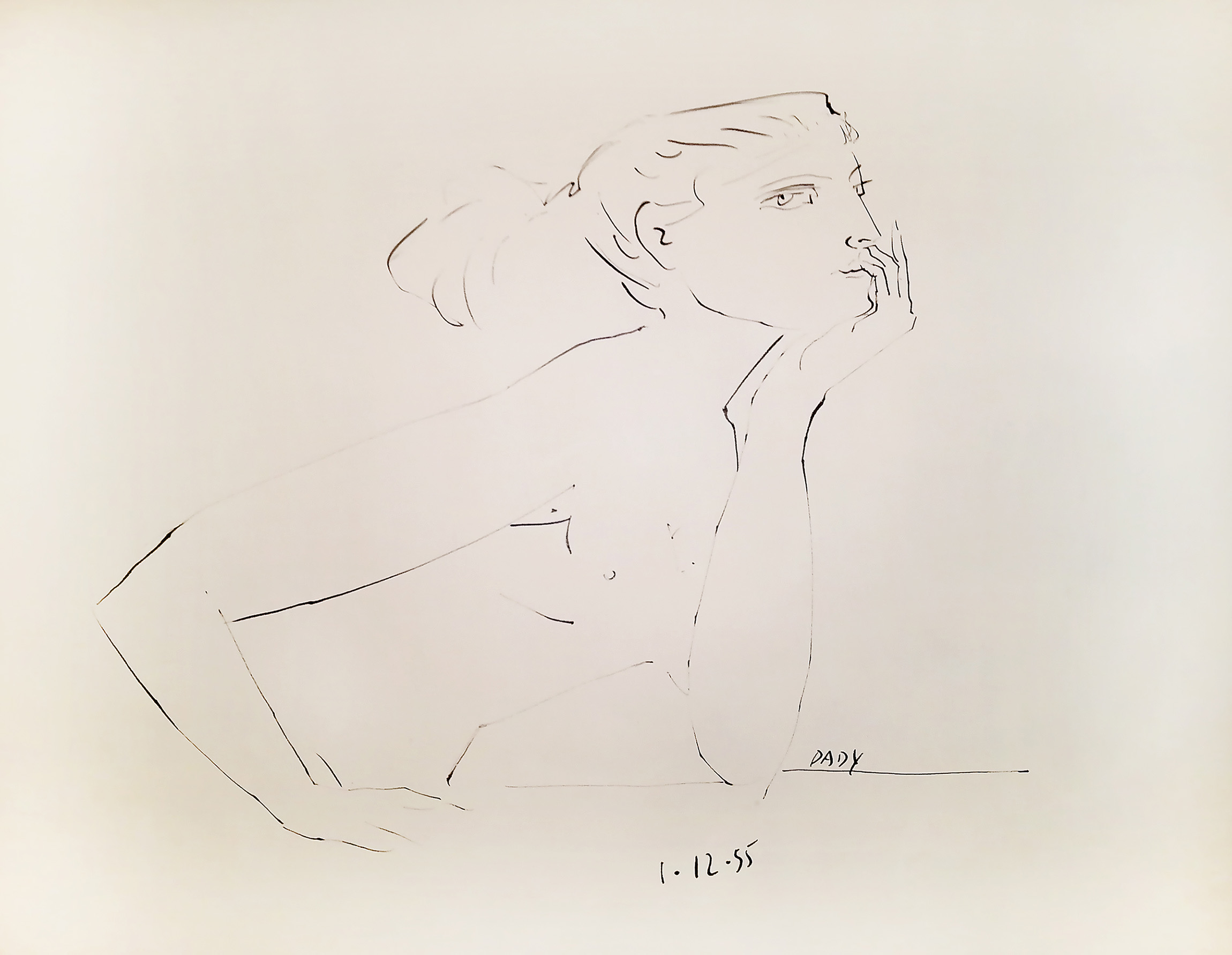
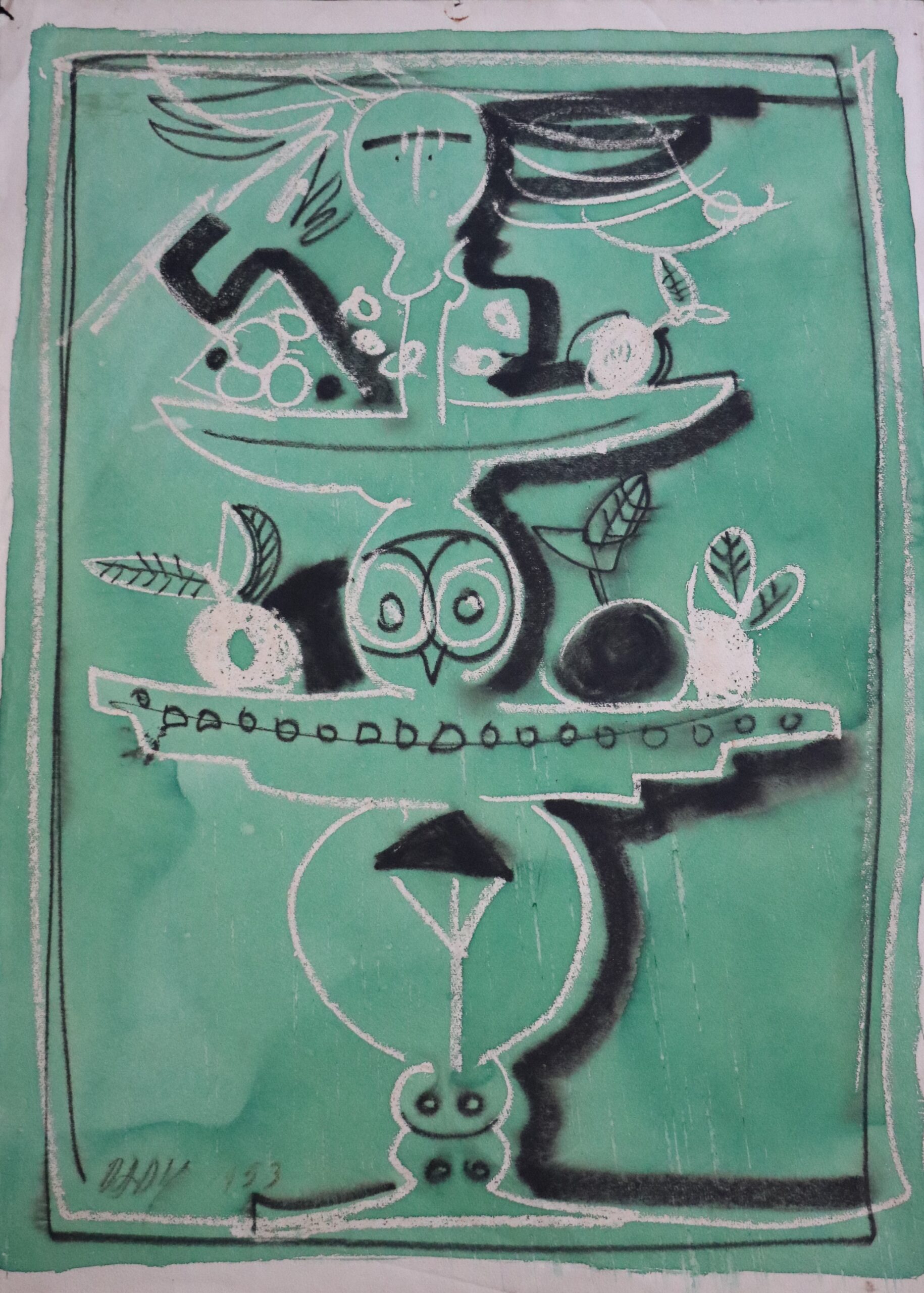
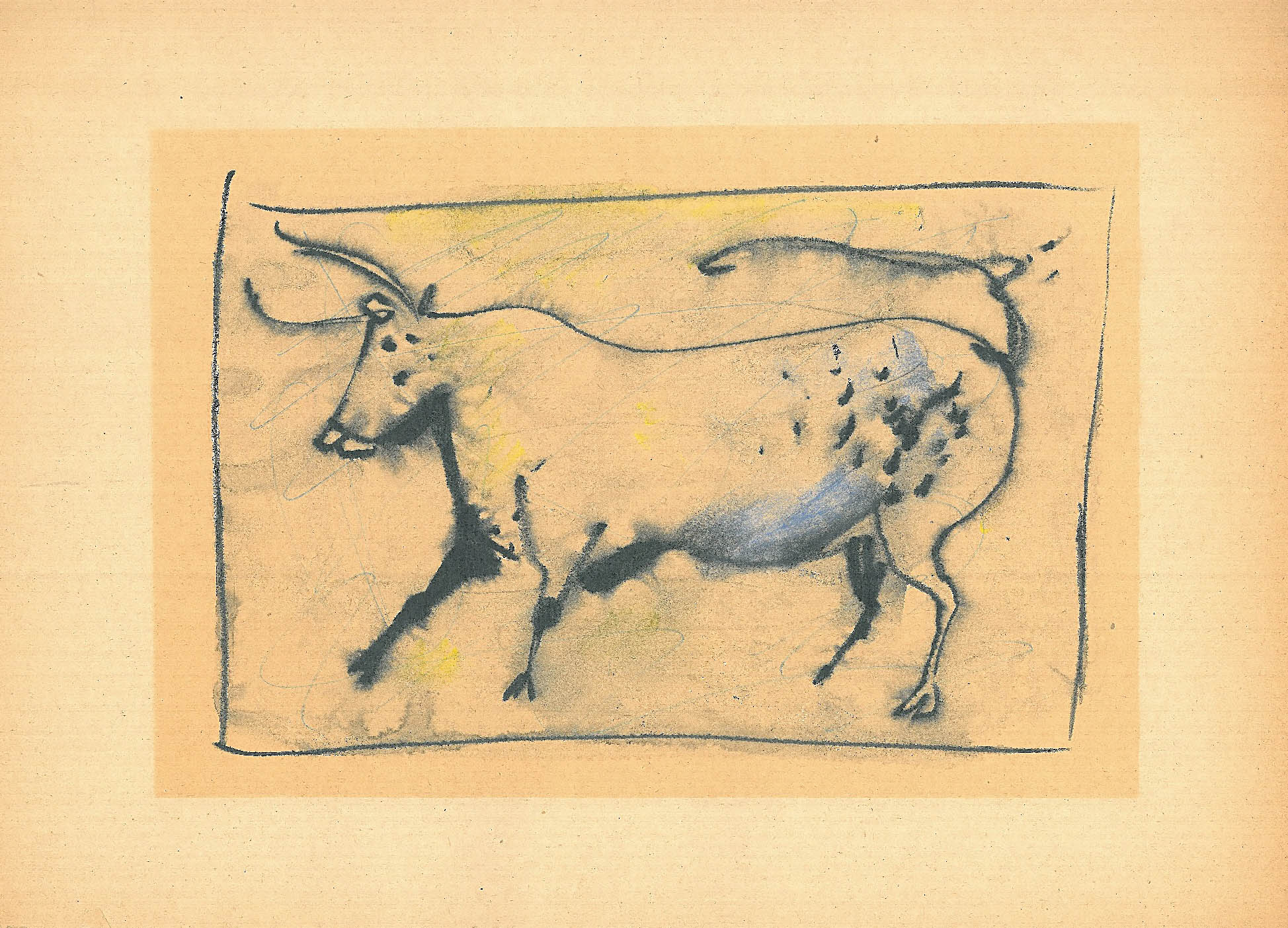
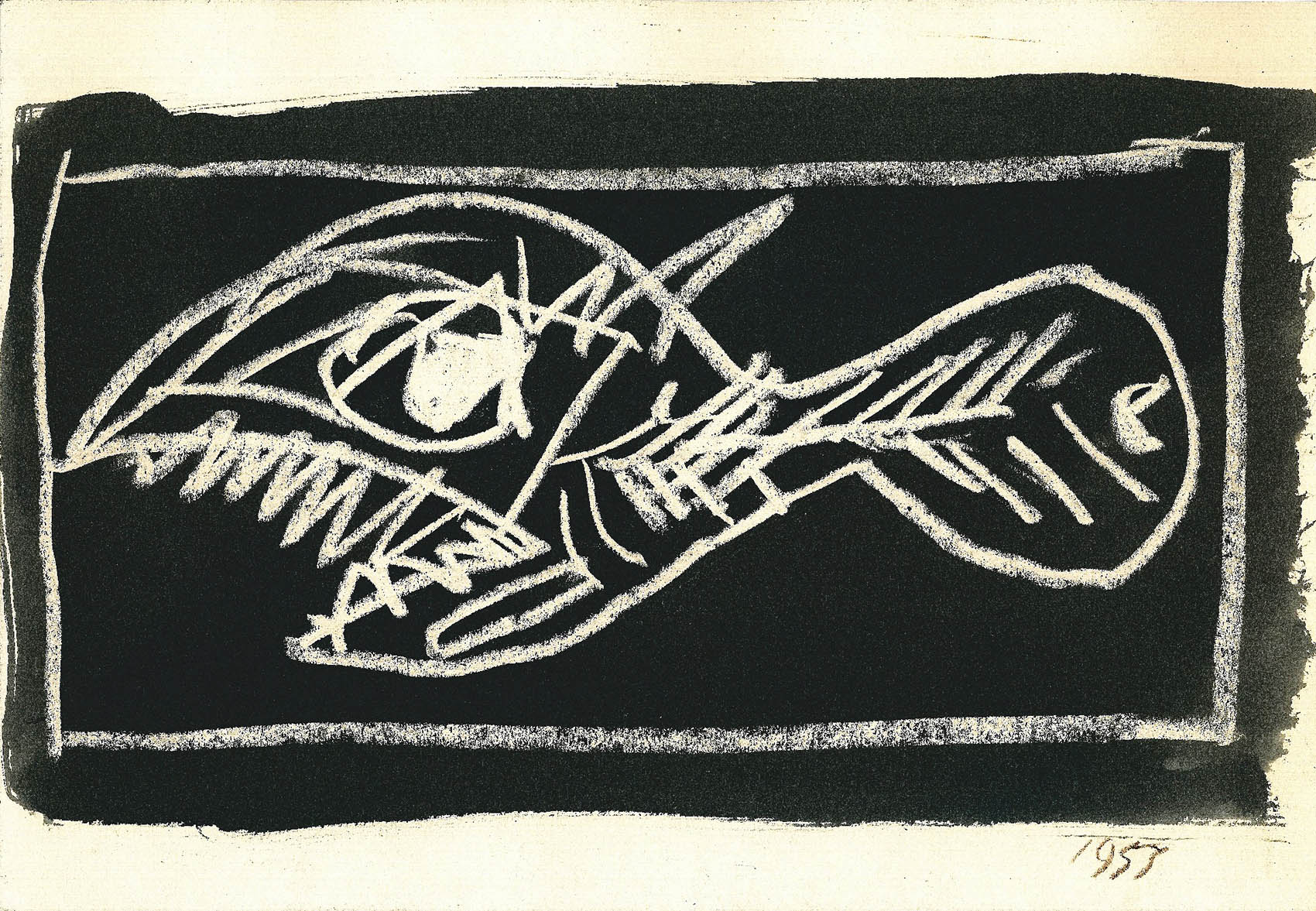
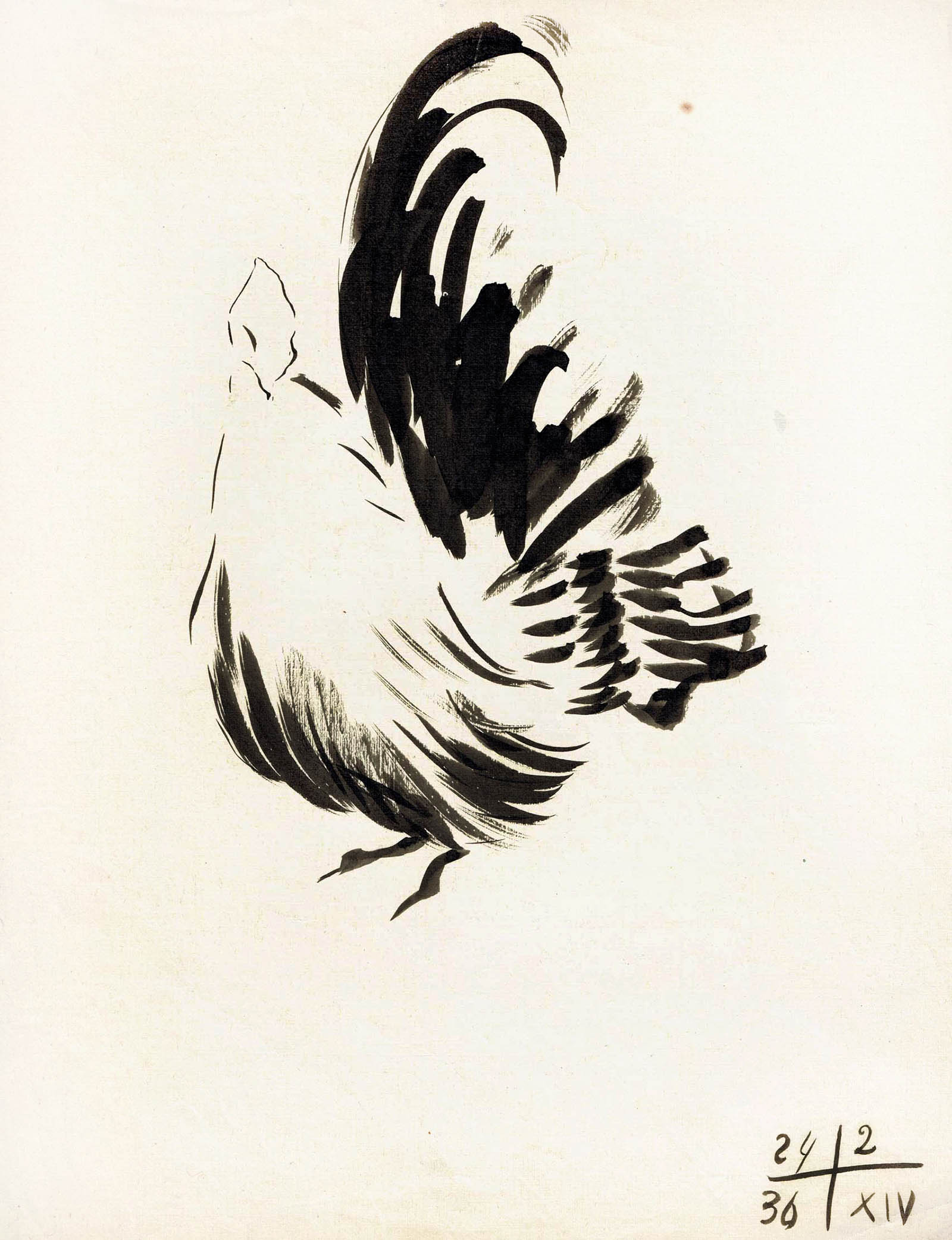
The knowledge of processes, materials and techniques of art printing belongs to the sphere of craftsmanship. Since the 1960s, Dady Orsi has devoted himself to printing with assiduity following the purchase of an antique press and a reel, which allows him not to depend on a workshop. The antiquity of the press, together with the choice of fine papers, which are also often vintage, gives the prints an evocative patina. Orsi practices intaglio, etching and drypoint, linocut, lithography and zincography. His knowledge of engraving and printing techniques led him to experiment, in the mid-1970s, with the creation of plastic matrices used for a special technique combining lithography and monotype. The lines of the drawing are fixed in the matrix, while the colours are a pictorial intervention operated on the matrix by his wife Megy Bassi: this inking is a real pictorial work that varies with each copy of the print run. Using this technique, the Orsi-Bassi couple created the series of monotype lithographs known as Simultanei. This is a very large series of lithographs in which erotic scenes and animals predominate. Inspired by Greek and Roman art, the erotic scenes have a mythical and playful character. Even the animals are symbolic, coming from an intellectual and fabulous imagination, never reproduced from life. Orsi’s animalier sources are to be found in art and scientific illustration of Enlightenment origin. His encyclopedic curiosity led him to discover bizarre animals, monstrous insects, amphibians and tortoises. The animals of this period, with their decorative linearity, also appear in works of applied art. A fundamental corollary of the printing craft was the creation of art books. In the Milan of Fornasetti and Scheiwiller, the art book was not complete without one or more etchings to make it precious, and Orsi was immersed in this culture. An example of these etching books is the so-called Insectarium, whose images are inspired by ancient naturalistic illustrations.