Painting nature does not mean painting the subject, but rather to make its sensations concrete.
Paul Cezanne
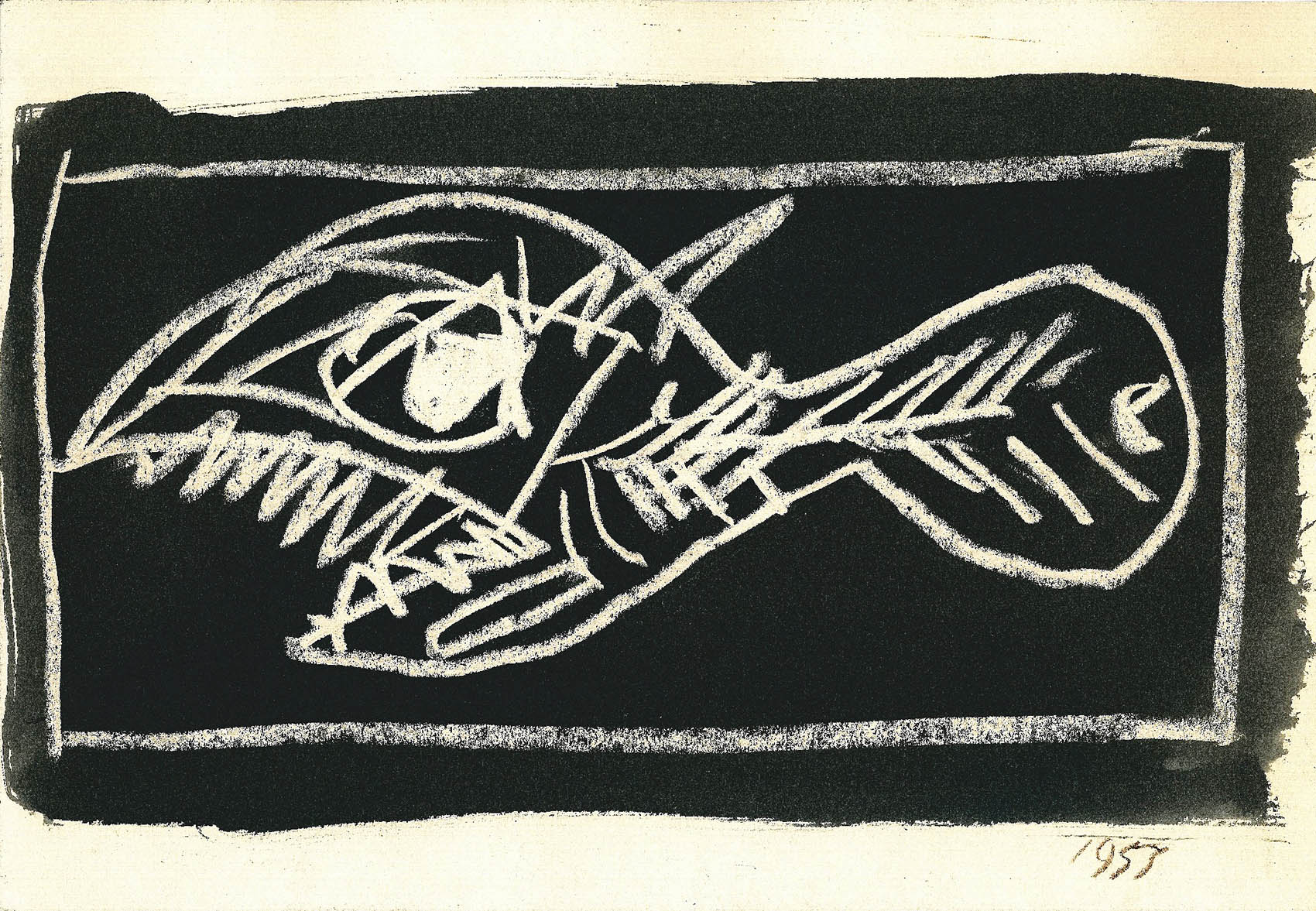
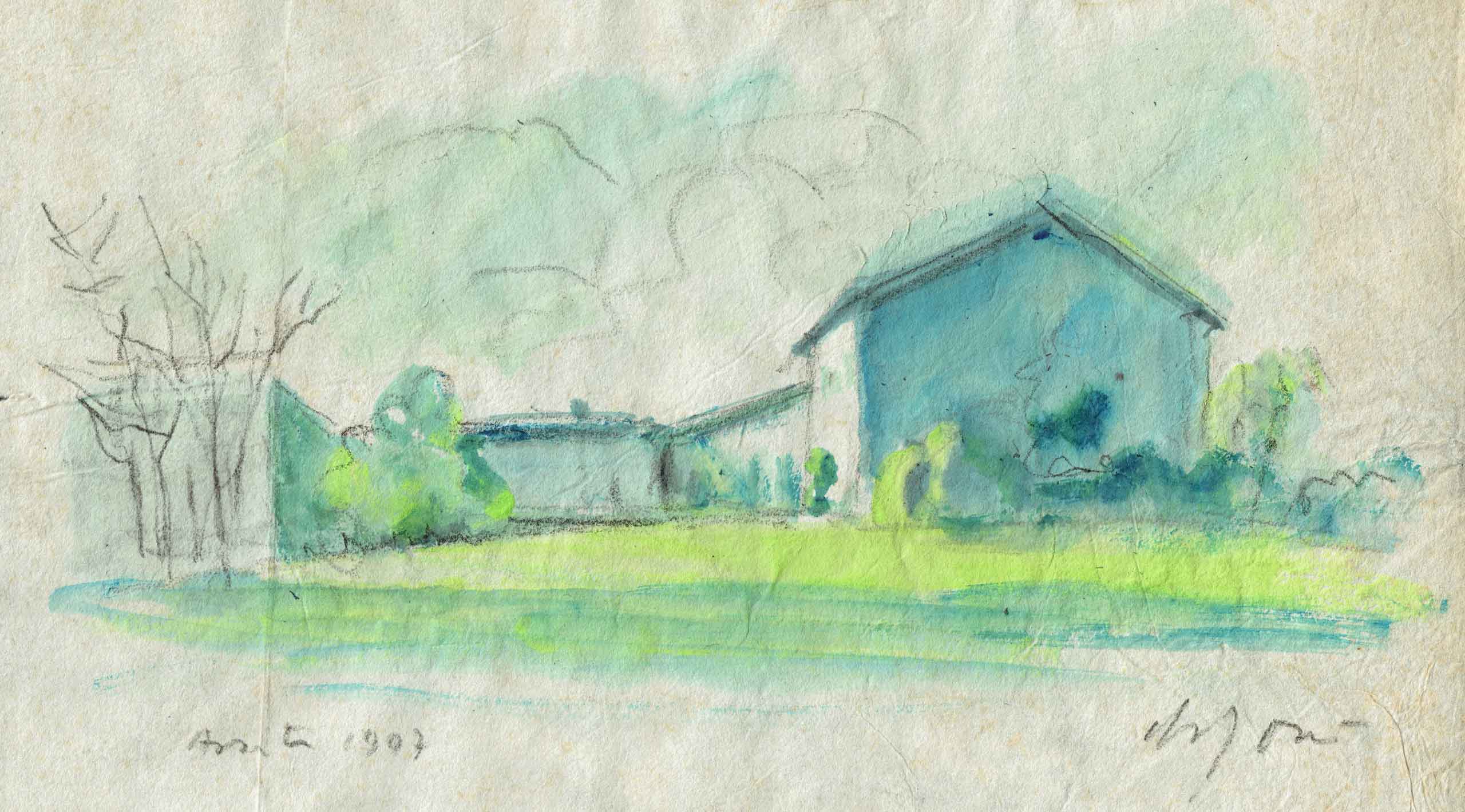
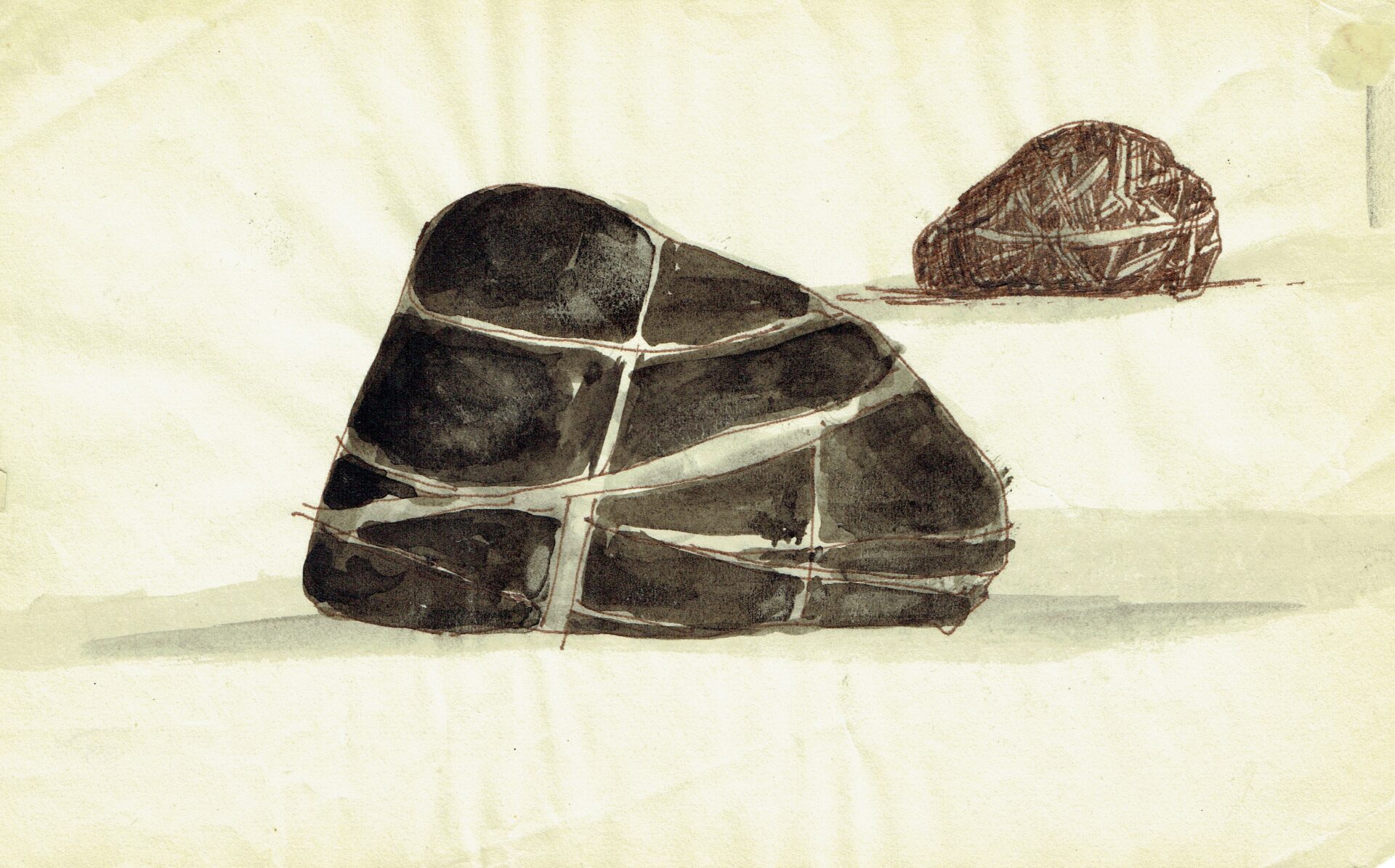
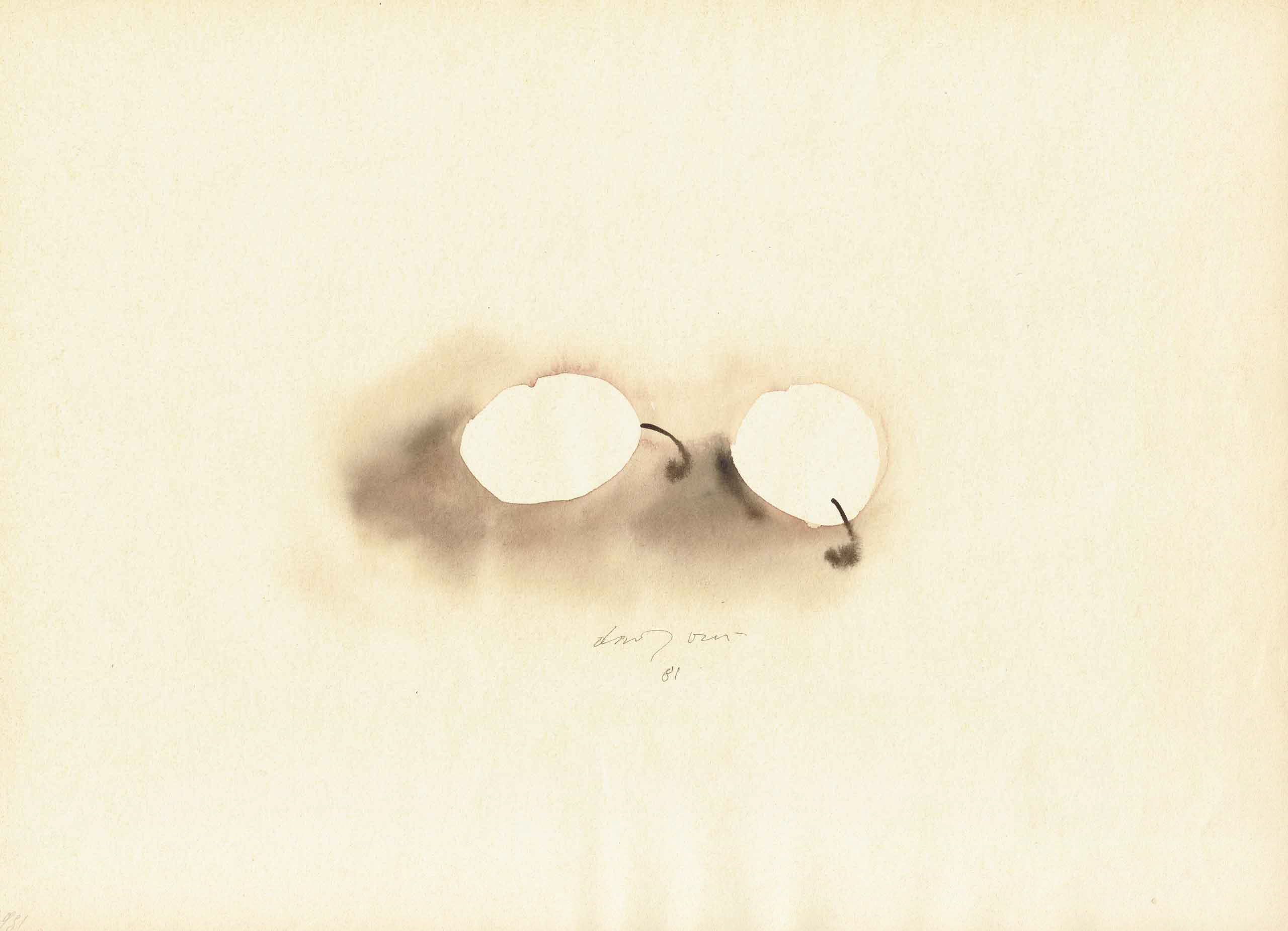
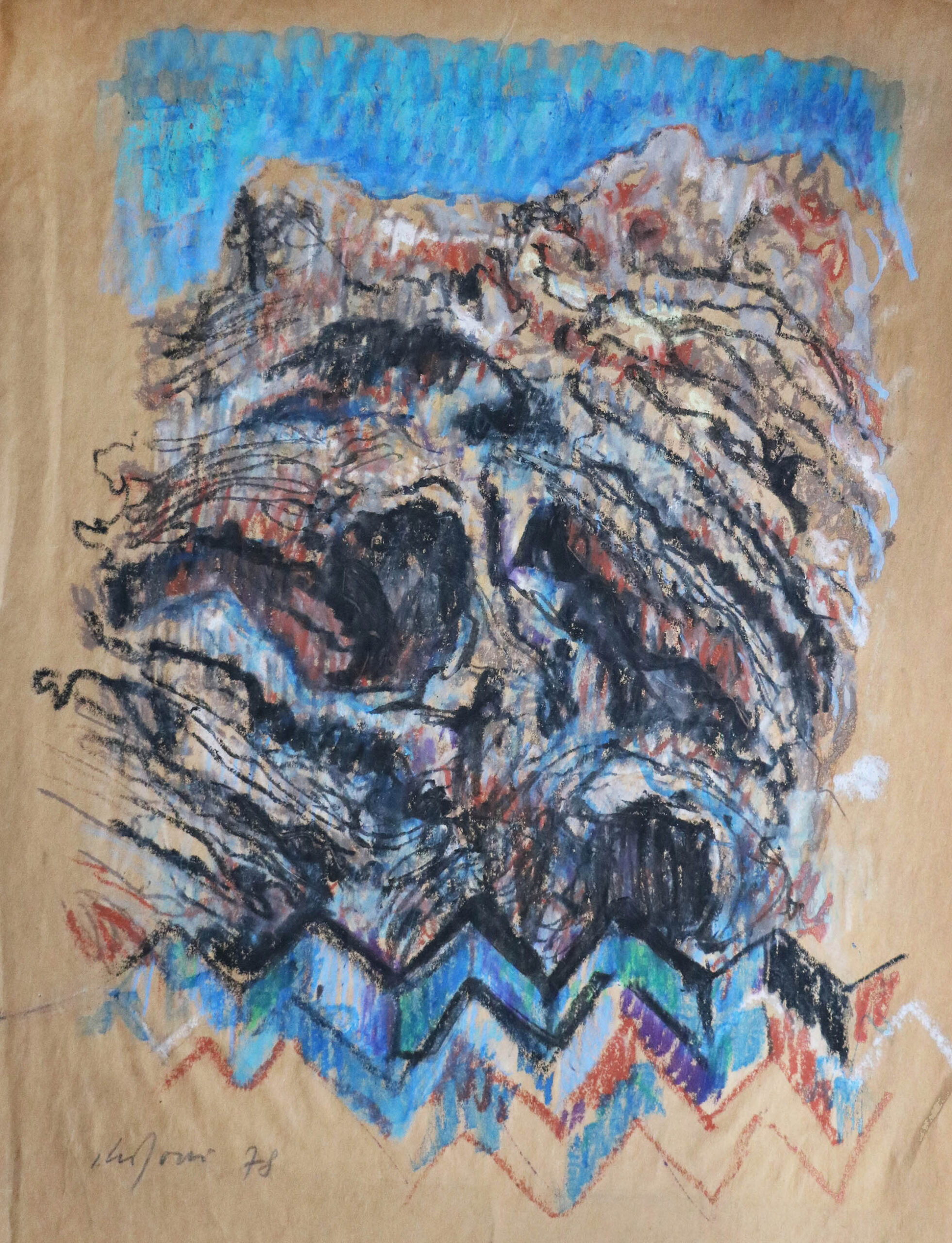
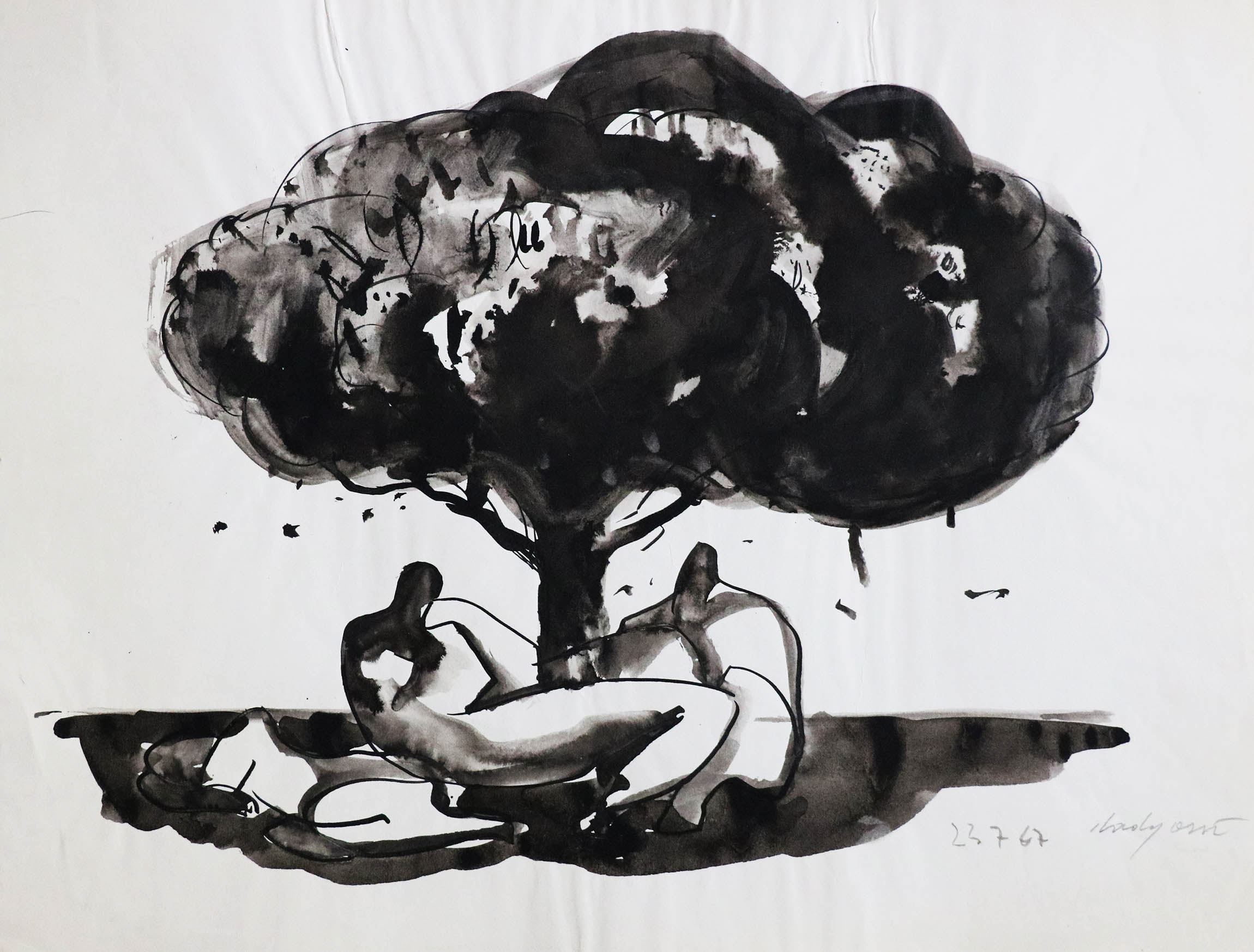
When Dady Orsi paints the places he loves the most (Venice, Lake Maggiore, Lake of Varese, Bonassola), a marked formal simplification in a geometric sense emerges (the lesson of Cézanne is evident here). The elements of the landscape are reduced to shapes, while the spaces are uninhabited. The painting focuses on the sensations that the landscape evokes rather than on its description. At the turn of the 1950s and 1960s, a series of landscapes stand out, each constructed based on a different pattern: for example, the repetition of small circles conveys the diffuse brilliance of the marine and lake atmosphere; the rectangular plaques of colour recall the placid gloom of the lake. In the seascapes painted between the 1970s and 1980s, the angular waves and hard rocks are an allegory of the cruelty of certain circumstances in life. The skies above his beloved Bonassola, painted in watercolour, are instead a free and fluid image of the continuous mixing of the elements. Around the mid-1980s, born the idea of the Natural spaces – large-scale works in which the artist “transforms reality into compositions of masses and signs that are neither geometrically abstract nor openly explanatory” (Meneghetti 1984). This series of pastel paintings and drawings are characterised by the use of a strong and anti-naturalistic colour. The method followed in making these works is to select a fragment of a Matisse painting and amplify it on a large scale. The Natural spaces are a reflection on landscape elements as the origin of abstraction.